
Pakistan sees 200% surge in HIV cases; WHO warns of fastest-growing epidemic in region
By ANI | Updated: December 2, 2025 13:25 IST2025-12-02T13:20:23+5:302025-12-02T13:25:17+5:30


Islamabad [Pakistan], December 2 : Pakistan is currently experiencing one of the fastest-growing epidemics of human immunodeficiency virus (HIV) ...
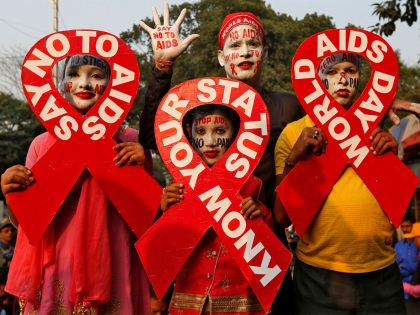
Pakistan sees 200% surge in HIV cases; WHO warns of fastest-growing epidemic in region
Islamabad [Pakistan], December 2 : Pakistan is currently experiencing one of the fastest-growing epidemics of human immunodeficiency virus (HIV) in the WHO Eastern Mediterranean Region, with new infections increasing by 200% over the past 15 years, from 16,000 in 2010 to 48,000 in 2024, as reported by Dawn.
This information was shared with participants of a walk organised by the World Health Organisation (WHO) and UNAIDS in observance of World AIDS Day.
While HIV primarily affected high-risk populations in the past, it is now affecting children, spouses, and the broader community, largely due to unsafe blood management and injection practices, deficiencies in infection prevention and control, inadequate HIV testing during antenatal care, unprotected sexual activities, stigma, and restricted access to HIV services.
Under the theme "Overcoming disruption, transforming the AIDS response," WHO and UNAIDS collaborated with Pakistan's Ministry of Health to commemorate the day.
"The discrimination, stigma, and this disease cannot be addressed by us alone. It must involve the communities and the health regulatory authorities. We need collective efforts to eliminate unsafe practices in injections and blood transfusions. Education is essential. We also need to engage our clinicians. Together, we can reach our objectives. We must provide children and adults in Pakistan with the healthy, HIV-free future they deserve," stated Ayesha Isani, Director General of the Health Ministry, according to the Dawn report.
It is estimated that 350,000 individuals are living with HIV in Pakistan, but nearly 80% of those affected are unaware of their status. Children are increasingly impacted, with new cases among those aged 0-14 rising from 530 in 2010 to 1,800 in 2023.
Over the past decade, Pakistan has increased the number of individuals living with HIV who receive antiretroviral therapy (ART) eightfold, from approximately 6,500 in 2013 to 55,500 in 2024thanks to collaborative efforts by the government, UN entities, and partners.
The number of antiretroviral therapy centres has also expanded from 13 in 2010 to 95 in 2025. Despite this progress, only about 21% of people living with HIV knew their status in 2024; 16% of these individuals were on treatment, and 7% had achieved viral load suppression. In 2024, there were over 1,100 reported AIDS-related fatalities, as highlighted by Dawn.
"The rise in new cases and recent outbreaks that have particularly impacted childrenthreatening their futures as well as that of Pakistan, serve as a powerful reminder of the urgent need to enhance collaborative efforts and mobilise both domestic and international resources to eradicate AIDS as a public health threat. WHO will support Pakistan and its partners in safeguarding current and future generations from HIV, ensuring that no one is left behind," remarked Dr Luo Dapeng, WHO Representative in Pakistan, as emphasised in the Dawn report.
In Pakistan, children have unfortunately been exposed to HIV due to unsafe injections and blood transfusions during recent outbreaks in locations such as Shaheed Benazirabad, Hyderabad, Naushahro Feroze, Pathan Colony (2025), Taunsa (2024), Mirpur Khas (2024), Jacobabad, and Shikarpur (2023), as well as Larkana (2019). In many of these outbreaks, more than 80% of the identified cases involved children, according to the Dawn report.
Only 14% of pregnant women in need of treatment to prevent mother-to-child transmission of HIV receive it, leaving thousands of children vulnerable. Among children aged 0-14 living with HIV, only 38% are receiving treatment, as revealed by the Dawn report.
Disclaimer: This post has been auto-published from an agency feed without any modifications to the text and has not been reviewed by an editor
Open in app