
Mumbai News: Two New Flyovers to Ease Traffic; Byculla to CSMT Travel Time to Drop to 10 Minutes, Route Details Inside
By Lokmat Times Desk | Updated: April 22, 2026 18:01 IST2026-04-22T18:00:13+5:302026-04-22T18:01:27+5:30



The Brihanmumbai Municipal Corporation (BMC) has initiated major infrastructure measures to ease heavy congestion across the city. As part ...
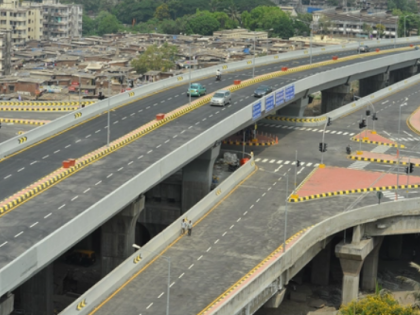
Mumbai News: Two New Flyovers to Ease Traffic; Byculla to CSMT Travel Time to Drop to 10 Minutes, Route Details Inside
The Brihanmumbai Municipal Corporation (BMC) has initiated major infrastructure measures to ease heavy congestion across the city. As part of this plan, two new bridges will be constructed to connect the busy areas of Byculla and Mazgaon, which are among the most traffic-prone locations in Mumbai. Officials believe these projects will significantly reduce bottlenecks and improve traffic flow for daily commuters. The initiative is aimed at addressing long-standing mobility challenges in South Mumbai, where narrow roads and increasing vehicle numbers often lead to severe delays, especially during peak hours, affecting thousands of residents and office-goers every day.
To tackle persistent evening congestion between Byculla and Mazgaon, the civic body has proposed building a 916-metre-long cable-stayed bridge at Byculla. This structure will be linked to Mazgaon through an 892-metre-long flyover, creating a seamless elevated corridor. These bridges are expected to greatly ease traffic pressure in South Mumbai. Additionally, the BMC plans to replace the 103-year-old ‘Y’ bridge at Byculla with this modern cable-stayed structure. Currently, the absence of elevated connectivity forces motorists to pass through busy junctions like Richardson and Cruddas and Saboo Siddique, worsening traffic jams across the stretch.
Also Read: Mumbai: BMC Shuts 164 Illegal Schools Ahead of New Academic Session
The proposed cable-stayed bridge will feature six lanes, making it significantly wider than the existing structure and capable of handling future traffic growth. It will stretch 916 metres and include aesthetic elements such as decorative lighting and a designated selfie point for visitors. Alongside it, another 848-metre-long flyover with four lanes will be developed, forming a continuous corridor. Once completed, the travel time between CSMT (Fort) and Byculla is expected to drop drastically from the current 30 to 45 minutes to just around 10 minutes, offering a faster and more efficient commuting experience for thousands of daily travellers.
Construction of the cable-stayed bridge is already 78 percent complete and is expected to open for public use by November 2026. Meanwhile, work orders for the second flyover have been issued, and construction is currently underway, with a target completion deadline set for 2028. The entire project is estimated to cost ₹1,841 crore, with ₹280 crore allocated for the cable-stayed bridge and ₹1,561 crore for the flyover. Notably, the cable-stayed bridge will pass over railway tracks, and since the design for this section is still pending, the current cost estimates remain relatively lower.
Open in app