
Mumbai Water Metro: When Will It Start and What Should Commuters Know About Tickets and Safety?
By Lokmat Times Desk | Updated: February 17, 2026 13:29 IST2026-02-17T13:23:26+5:302026-02-17T13:29:12+5:30



Mumbai, India’s financial capital, has long grappled with severe traffic congestion. Overcrowded streets, rapid urbanisation, and a growing number ...
Mumbai Water Metro: When Will It Start and What Should Commuters Know About Tickets and Safety?
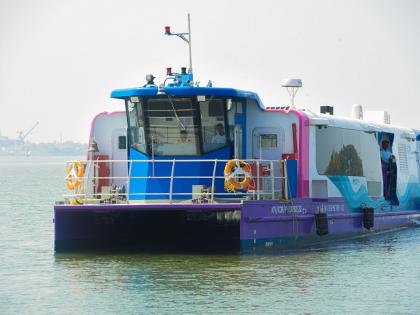
Mumbai, India’s financial capital, has long grappled with severe traffic congestion. Overcrowded streets, rapid urbanisation, and a growing number of private vehicles have stretched the city’s transport system to its limits. Daily commutes often last for hours, affecting both productivity and residents’ quality of life across the Mumbai Metropolitan Region (MMR). In a bid to tackle this, authorities are preparing to launch a Water Metro, introducing battery-powered ferries that will connect key points in the city and adjoining areas. The project aims to divert part of the daily commuters from roads to waterways, offering a faster, eco-friendly alternative while easing traffic pressure.
Mumbai Water Metro’s Expected Timeline: Launch Date
Maharashtra Ports Minister Nitesh Rane confirmed that the Detailed Project Report (DPR) is expected by February 28, with phased operations planned to begin in December. Initial discussions with Chief Minister Devendra Fadnavis finalised starting routes in Mumbai city, followed by gradual expansion across the wider MMR. The project is estimated to cost around Rs 1,200 crore, and the government has identified six to eight major coastal routes connecting high-traffic areas, including Nariman Point, Worli, Bandra, Juhu, and Versova. Authorities hope the phased rollout will allow commuters to gradually adapt to the waterway system.
Route, Ticket Price, Rules To Travel, Is Life-Jacket Mandatory?
The Water Metro will connect South Mumbai’s Radio Club jetty near the Gateway of India to Navi Mumbai International Airport in roughly 40 minutes, significantly reducing road travel time. Commuters will travel on electric ferries, which provide a quieter, eco-friendly journey along scenic coastal routes. Ticket pricing, travel rules, and mandatory safety measures such as wearing life-jackets are being finalised to ensure passenger security. Modeled after the successful Kochi Water Metro, Mumbai’s system will employ battery-powered ferries capable of carrying 50 to 100 passengers, reducing emissions and fuel consumption, and offering a sustainable commuting alternative for residents across the MMR.
