
No attacks, all indoctrination: Islamic State’s new playbook in Tamil Nadu
By IANS | Updated: January 9, 2026 14:25 IST2026-01-09T14:24:15+5:302026-01-09T14:25:05+5:30


New Delhi, Jan 9 Groups such as Black Flag Soldiers and Islamic State have been common names for ...
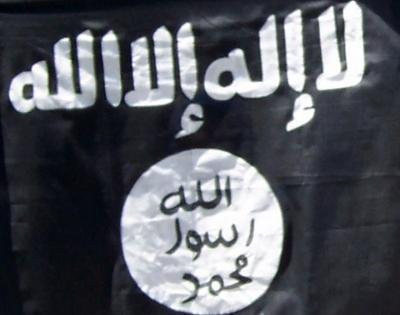
No attacks, all indoctrination: Islamic State’s new playbook in Tamil Nadu
New Delhi, Jan 9 Groups such as Black Flag Soldiers and Islamic State have been common names for groups in Tamil Nadu, and an Intelligence assessment says that the problem relating to the Islamic State in the state is worse than what one may imagine.
Such groups created on WhatsApp and Telegram have become a security nightmare for the security agencies as they are being used to circulate material related to the Islamic State in the state.
Why the Tamil Nadu scenario remains a challenging one is that the modus operandi includes mostly propaganda and radicalisation. None of these persons is planning anything major in the state when it comes to ground action. The Islamic State is looking to build an army so that the recruits can take the propaganda to a wider audience.
An Intelligence Bureau official said that this is a more dangerous trend that the Islamic State is setting. The intention is to focus more on changing the mindset of the society rather than trying to strike on the ground, the official said.
In southern India, the Islamic State has managed to get most of the traction in Tamil Nadu. In fact, the first case where a person left the country to join the Islamic State was from Tamil Nadu. Haja Fakhruddin, hailing from the state's Cuddalore, first left for Singapore and worked there as a store manager before leaving for Syria. The Islamic State had, in fact, set up its first radicalisation camp in Cuddalore. It is here that Fakhruddin and others were radicalised.
In 2014, an image of several youth from Tamil Nadu wearing Islamic State t-shirts had gone viral. Since 2014, radicalisation modules have spread across the state like wildfire. One of the main reasons why the outfit has so much traction in the state is because of the Wahhabi influence, officials point out.
In 2015, a letter was written to then Chief Minister J/ Jayalalithaa and the police chief, warning about the infiltration of Wahhabis and Deobandis into the managing committees of Chennai-based mosques. The letter written by the Ahlus Sunnath Wal Jamaths Federation also warned that these persons were trying to threaten the unity between Hindus and Muslims. Why this letter was a matter of concern is because the Islamic State follows Wahhabism.
Officials say that the Islamic State intends to poison the minds of the people. What they are following in Tamil Nadu is dangerous and, if not checked, will soon spread wider. The plan is to radicalise and brainwash lakhs of youth in the state. Having so many people in the society who have an Islamic State school of thought threatens the security of the entire state, the official said.
In a recent chargesheet, the National Investigation Agency said that A. Alfasith of Tamil Nadu's Mayiladuthurai was involved in radicalising the youth. The accused had created several WhatsApp and Telegram groups, such as "Islamic State" and "Black Flag Soldiers", to promote unlawful activities threatening the unity, security, and communal harmony of the country, the NIA said.
The Islamic State had followed the same rule book in Kerala and had achieved much success. The radicalisation was so deep that 21 people, including women, left the state to join the Islamic State in Afghanistan.
While the outfit wants to poison the society at large with a radical school of thought, it is also looking for recruits for its Islamic State Khorasan Province (ISKP). It is engaged in a battle with both the Afghan Taliban and Tehreek-e-Taliban Pakistan (TTP) at the insistence of the ISI. It would need more people and hence is looking to recruit youth from states like Tamil Nadu and Kerala, another official said.
Officials say that there needs to be constant monitoring in Tamil Nadu as these elements will look to enhance their radicalisation drives further. The agencies would also seek the help of the elders in the society during de-radicalisation camps.
Disclaimer: This post has been auto-published from an agency feed without any modifications to the text and has not been reviewed by an editor
Open in app