
"Surrender Nehru": BJP MP Nishikant Dubey slams Cong for apologising to China in 1959
By ANI | Updated: April 20, 2026 08:10 IST2026-04-20T13:36:39+5:302026-04-20T08:10:02+5:30



New Delhi [India], April 20 : Bharatiya Janata Party (BJP) MP Nishikant Dubey on Monday criticised Congress for apologising ...
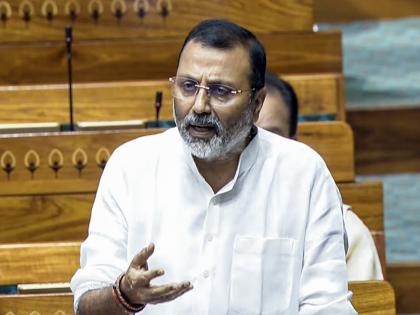
"Surrender Nehru": BJP MP Nishikant Dubey slams Cong for apologising to China in 1959
New Delhi [India], April 20 : Bharatiya Janata Party (BJP) MP Nishikant Dubey on Monday criticised Congress for apologising for protests against the then head of the state for China, Mao Tse-tung, in 1959, accusing former Prime Minister Jawaharlal Nehru of making India appear weak before the world.
Sharing a note from the Indian Government dated April 30, 1959, Nishikant Dubey accused Jawaharlal Nehru of not upholding the constitutional right to protest.
The BJP MP wrote on X, "Congress's Dark Chapter. On April 20, 1959, in Mumbai, some people held a demonstration against China in support of the Tibetan people and especially His Holiness the Dalai Lama. On April 27, China sent a threatening letter to the then Prime Minister Nehru ji for this demonstration. Powerless before China, Prime Minister Nehru ji apologised in Parliament. Even then, his soul found no peace; he wrote a letter, sent the ambassador, and held a press conference to repeatedly apologise."
{{{{twitter_post_id####}}}}कांग्रेस का काला अध्याय
35. 20 अप्रैल 1959 मुम्बई में कुछ लोगों ने तिब्बती लोगों तथा ख़ासकर दलाई लामा जी के समर्थन में चीन के खिलाफ प्रदर्शन किया ।27 अप्रैल को चीन ने इस प्रदर्शन के लिए तत्कालीन प्रधानमंत्री नेहरु जी को धमकी भरा पत्र भेजा ।चीन के आगे बेबस प्रधानमंत्री नेहरु जी… pic.twitter.com/ZgptBQfDa3
— Dr Nishikant Dubey (@nishikant_dubey) April 20, 2026
Borrowing from Congress' playbook, Dubey invoked the "surrender Nehru" jibe.
"After that, permission from other countries became necessary to hold sit-ins and protests? In any sovereign country, sit-ins and protests are the people's constitutional right; instead of protecting constitutional values, surrender Nehru ji's this misdeed made India appear weak before the world. The rest of the story tomorrow," the post read.
The note by the Centre narrated that on April 20, 1959, the protestors hurled tomatoes and eggs at a portrait of Mao. While former PM Nehru apologised to China, keeping in mind the friendly ties, the note stated that the peaceful protests cannot be banned and "under the law and Constitution of India, a great deal of latitude is allowed to the people so long as they do not indulge in actual violence."
India also expressed regret for the language used in the Chinese Embassy's memorandum.
Disclaimer: This post has been auto-published from an agency feed without any modifications to the text and has not been reviewed by an editor
Open in app