
GDP growth seen down on year at 6.6%, inflation up at 5.1% due to West Asia crisis: CRISIL Chief Economist
By ANI | Updated: May 6, 2026 20:50 IST2026-05-07T02:18:20+5:302026-05-06T20:50:08+5:30



New Delhi [India], May 6 : India's GDP growth is projected at 6.6 per cent in FY26-27, lower than ...
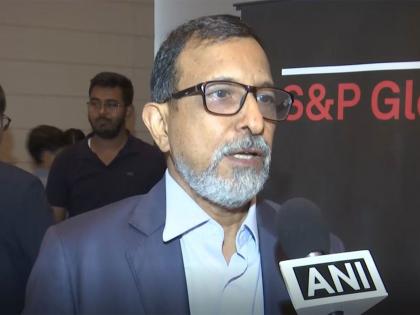
GDP growth seen down on year at 6.6%, inflation up at 5.1% due to West Asia crisis: CRISIL Chief Economist
New Delhi [India], May 6 : India's GDP growth is projected at 6.6 per cent in FY26-27, lower than last year's 7.6 per cent, while inflation is expected to rise to 5.1 per cent from 4 per cent earlier, Dharmakirti Joshi, Chief Economist at CRISIL, toldtoday, attributing the moderation in growth and rise in inflation to the ongoing West Asia crisis.
"I think the GDP growth is moving down and inflation is moving up, and that is because of the West Asia crisis," Joshi, said, adding that "We see GDP growth at 6.6 per cent, we see inflation rising to 5.1 per cent, current account deficit moving from 0.8 per cent of GDP last year to 2.2 per cent, and bond yields around 7 per cent by the year-end."
He was speaking on the sidelines of an event held by S&P Global India Research Chapter.
He said the projections are based on crude oil prices averaging between USD 90-95 per barrel during the fiscal year, which is expected to put pressure on inflation and external balances.
Despite the moderation, Joshi described the outlook as "quite healthy," noting that the economy entered the year on a strong footing. "Last year at 7.6 per cent GDP growth, current account deficit under control, corporate and bank balance sheets are very strong... so you are in a healthy position to face shocks," he said, adding that the impact would depend on how long the crisis persists.
On inflation trends, he said the wholesale price index (WPI) inflation is likely to exceed consumer price index (CPI) inflation in the near term. "WPI is more inputs like commodities, which are seeing an upside in prices... so I would expect WPI inflation to be higher than CPI inflation," he said.
He noted that the projected 5.1 per cent inflation remains within the Reserve Bank of India's tolerance band of 2-6 per cent. "One should remember that last year was just over 2 per cent inflation... so a large contribution is of base effect," he explained.
On the external front, Joshi said the current account deficit is expected to widen to 2.2 per cent of GDP, reflecting higher oil prices. He added that the 10-year government security yield is already around 7 per cent and is expected to remain at similar levels by the year-end.
He also pointed to upward pressure on the fiscal deficit due to higher fertiliser subsidies and continued government support measures. "There is an upward pressure clearly, coming from fertiliser subsidy and also from the support that is being given to a number of segments," he said.
Joshi said domestic demand would continue to support growth, driven by consumption and government capital expenditure. He also cited spillover effects of last year's GST cuts, income tax benefits and direct benefit transfers as factors aiding consumption.
On agriculture, he said outcomes would depend on multiple factors, including weather conditions such as El Nino and fertiliser price trends, especially for the Rabi season.
He added that while the global environment remains challenging, India's growth-inflation mix is still "quite tolerable" compared to global peers.
Taking on the agriculture growth rate, he said it's difficult to predict now because summer crops may survive on monsoon rains, but winter crops may face some issues due to the El Nino factor and the ripple effects of the US-Iran war in terms of fertiliser supply shortage. However, the Kharif crop would largely depend on the distribution of rains.
Disclaimer: This post has been auto-published from an agency feed without any modifications to the text and has not been reviewed by an editor
Open in app