
Pakistan: Ambiguity in energy policymaking shows lack of clarity
By IANS | Updated: April 29, 2026 17:10 IST2026-04-29T17:07:15+5:302026-04-29T17:10:17+5:30



Islamabad, April 29 The implementation of some regulatory needs for small-scale solar systems, followed by a decision rollback, ...
Pakistan: Ambiguity in energy policymaking shows lack of clarity
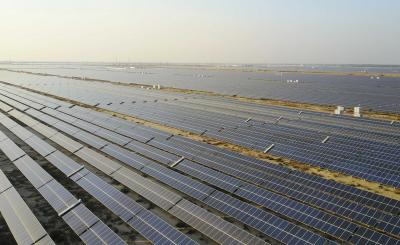
Islamabad, April 29 The implementation of some regulatory needs for small-scale solar systems, followed by a decision rollback, showcases lack of coherent vision in Pakistan for transition to renewable energy, a report has stated.
"The rollback of licensing requirements and fees for solar generation capacity of 25kW or below exposes an uncertain policymaking process that, rather than following a long-term framework, reacted first to cost pressures as consumers shifted away from the grid, and then rescinded the move because of public backlash for ‘taxing sunlight’," an editorial in Pakistan's leading daily Dawn stated.
"Such ambiguity in energy policymaking circles shows lack of clarity: do our policymakers actually want to accelerate solarisation or do they want to manage its pace to safeguard legacy interests in the power sector? The government’s uncertainty in first subjecting small solar prosumers to licensing requirements and fees and then reversing its decision under pressure is not new," it added.
Pakistan's position was evident previously too, when it shifted from net metering to net billing which diluted the financial incentive for rooftop solar, demonstrating a retreat from a pro-consumer, pro-renewables stance. Subsequently, the restoration of incentives to the extent of existing prosumers followed by the rollback of new regulatory requirement reinforces the policy marked by inconsistency and hesitation, the editorial mentioned
Repeated rollback not only impact the trust of investor but also risk reducing solar adoption by introducing regulatory uncertainty. In addition, it weakens the credibility of the state's commitment to clean energy transition. Continuous and clear push for solar adoption would not resolve the challenges of transition to renewables, according to the editorial in Dawn.
Solarisation without storage causes distortions by lowering grid demand during daylight hours while peak demand remained largely intact. This disparity demands parallel policy which pushes towards battery storage solutions, that can stabilise supply, smooth demand curves and increase grid resilience, the newspaper detailed.
Disclaimer: This post has been auto-published from an agency feed without any modifications to the text and has not been reviewed by an editor
Open in app