
Samsung strike could cut S. Korean economy by 0.5 pc point: BOK
By IANS | Updated: May 19, 2026 17:00 IST2026-05-19T16:57:53+5:302026-05-19T17:00:27+5:30



Seoul, May 19 The Bank of Korea (BOK) has estimated that a general strike at Samsung Electronics Co. ...
Samsung strike could cut S. Korean economy by 0.5 pc point: BOK
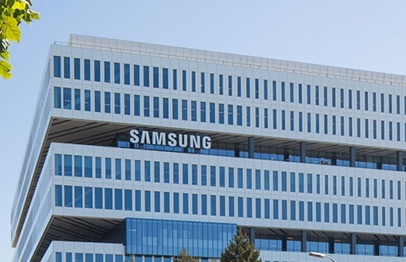
Seoul, May 19 The Bank of Korea (BOK) has estimated that a general strike at Samsung Electronics Co. could cut 0.5 percentage point off South Korea's economic growth this year, officials said on Tuesday.
The central bank recently compiled a closed-door report on the matter and submitted it to the finance ministry, according to the officials, reports Yonhap news agency.
The report estimated losses from the potential strike at around 30 trillion won (US$20 billion), noting it could take up to three weeks to restore production if the company's memory chip lines come to a complete halt.
Earlier, the BOK projected the South Korean economy would grow 2 percent in 2026. Asia's fourth-largest economy expanded 1.7 percent in the first quarter, marking the fastest growth in more than five years, driven by robust exports of semiconductors.
The report came as unionized workers announced plans to stage an 18-day large-scale strike starting Thursday, with more than 50,000 members expected to participate, demanding higher bonuses linked to the company's operating profit.
Meanwhile, Samsung and its largest labour union resumed government-led wage mediation on Tuesday, entering the final day of talks in a last-ditch effort to avert a strike at the world's largest memory chipmaker.
The two-day negotiations resumed days after the first round of mediation ended without a deal, as the two sides remained divided over performance-based bonuses ahead of an 18-day strike set to begin on Thursday.
Labor and management remain sharply split over performance-based bonuses tied to earnings from the tech giant's artificial intelligence (AI)-related semiconductor business, amid an ongoing global memory supercycle.
Park Soo-keun, chairman of the National Labor Relations Commission, hinted at the possibility of reaching an agreement, saying the two sides were narrowing some differences during the previous day's negotiations.
"Ultimately, we will see whether the two parties can reach a settlement, and if not, we will issue a mediation proposal," Park told reporters before entering the meeting. "There is still a possibility of a deal, so we will wait and see."
The company has proposed maintaining the current excess profit incentive system while allowing the bonus pool to be calculated based on 10 per cent of operating profit. It also proposed introducing a special compensation system, saying it would create a more flexible incentive structure.
In contrast, the union is demanding fixed performance bonuses equal to 15 per cent of the semiconductor division's operating profit, along with the removal of payout caps.
Disclaimer: This post has been auto-published from an agency feed without any modifications to the text and has not been reviewed by an editor
Open in app