
Summer Health Alert: Why You Urinate Less During Hot Weather
By Lokmat Times Desk | Updated: May 15, 2026 16:14 IST2026-05-15T16:14:07+5:302026-05-15T16:14:19+5:30



During summer, our bodies experience changes due to rising temperatures, including increased sweating, fluid loss, and higher internal heat, ...
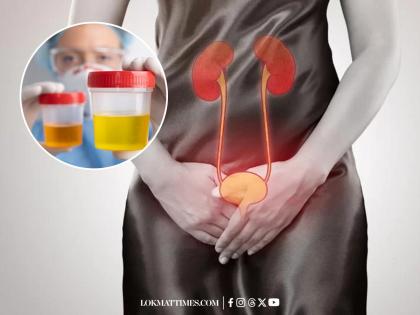
Summer Health Alert: Why You Urinate Less During Hot Weather
During summer, our bodies experience changes due to rising temperatures, including increased sweating, fluid loss, and higher internal heat, leading to decreased water content. This often results in reduced urine production, which can be a cause for concern or simply overlooked. This reduction in urine output is a common summer phenomenon. While it may prompt worries about dehydration or underlying health issues, it's often a result of the body's efficient adaptation to conserve fluids. Let's explore the reasons behind this decrease in urine output during the summer months.
Do the Kidneys Play the Most Important Role in This Process?
In an interview, Dr. Rajasekhar Chakravarthy Madarasu, Senior Consultant Nephrologist at Yashoda Hospitals, Hyderabad, explained that urine concentration is a protective mechanism. Kidneys maintain water and mineral balance; when water levels drop due to heat or sweating, they concentrate urine. This triggers the Anti-Diuretic Hormone (ADH), signaling the kidneys to reabsorb water, reducing urine volume.
How Does Dehydration Exacerbate the Problem?
If an individual fails to consume a sufficient amount of water during the summer, the body begins to experience dehydration (a deficiency of water). When the body experiences a water deficit, it makes greater efforts to conserve its remaining water supply; consequently, the volume of urine produced decreases even further. According to experts, during a severe heatwave, urine output in many individuals can drop by as much as 30 to 50 percent.
When Does This Become a Cause for Concern?
While a reduction in urine output is a natural physiological process, doctors advise that one should seek medical attention if urine volume becomes extremely low and is accompanied by any of the following symptoms:
1. Passing dark yellow urine
2. Dizziness
3. Persistent dry mouth
4. Extreme fatigue or weakness
5. Severe headache
6. A burning sensation while urinating
These signs serve as indicators of a severe water deficiency within the body or the degree of strain being placed on the kidneys. In such instances, it is essential to consult a doctor in addition to utilizing home remedies.
The Risk of Associated Illnesses.
If the body remains in a state of dehydration (water deficiency) for a prolonged period, it can lead to not only fatigue but also an increased risk of several serious medical conditions. These primarily include the following issues:
Kidney Stones: A low water intake allows salts and minerals in the urine to accumulate and crystallize, thereby increasing the likelihood of kidney stone formation.
2. Urinary Tract Infection (UTI): When urine volume decreases, bacteria are not effectively flushed out of the body, which can result in an infection of the urinary tract.
3. Low Blood Pressure: A reduction in the body's water content leads to a decrease in overall blood volume, which can cause a sudden drop in blood pressure.
Therefore, during the summer months, never ignore the warning signs of dehydration that your body sends you.
1. Drink 3 to 4 liters of water daily: Cultivate the habit of drinking water at regular intervals, rather than waiting until you feel thirsty.
2. Consume electrolyte drinks: If you are sweating profusely, opt for lemon water, ORS (Oral Rehydration Solution), or a salt-and-sugar solution instead of plain water; this helps maintain the body's electrolyte balance.
3. Coconut water and fresh fruits: Incorporate hydrating foods such as coconut water, watermelon, cucumber, and oranges into your diet.
4. Avoid caffeine and alcohol: Excessive consumption of tea, coffee, or alcohol leads to rapid fluid loss from the body; therefore, it is best to avoid these substances during the summer months.
5. Avoid exposure to the sun: Whenever possible, refrain from venturing outdoors into the harsh sunlight between the hours of 12:00 PM and 4:00 PM.
6. Monitor the color of your urine: According to doctors, if your urine is pale in color, it indicates that your body is properly hydrated.
Open in app