
Format of US-Iran talks still uncertain: Report
By IANS | Updated: April 11, 2026 11:30 IST2026-04-11T11:27:27+5:302026-04-11T11:30:33+5:30



Islamabad, April 11 The format of talks between the United States and Iran remains uncertain, a source close ...
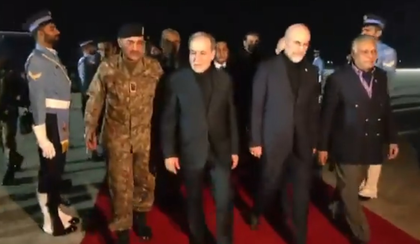
Format of US-Iran talks still uncertain: Report
Islamabad, April 11 The format of talks between the United States and Iran remains uncertain, a source close to the issue told Xinhua on Saturday.
The source, in a phone interview with Xinhua, said multiple arrangements have been made for the talks, including both face-to-face negotiations and talks held in separate rooms.
Pakistan has made preparations for both scenarios, the source said, adding that Islamabad is ready either to facilitate direct talks between the two sides or to arrange separate venues for their delegations and convey messages between them.
Al Jazeera reported that although the United States and Iranian delegations are expected to stay at the same hotel in Islamabad, they will not hold face-to-face talks. Instead, they are expected to remain in separate rooms while Pakistani officials relay messages between them.
Earlier this week, Pakistani Deputy Prime Minister and Foreign Minister Ishaq Dar told the Senate that Pakistan's role is to help bring the United States and Iran "to sit together" in Islamabad to resolve their issues, but Pakistan will not try to influence either side.
As The Washington Post reported, the two sides appear to share little common ground beyond "their need to find an exit ramp from the war".
Ahead of the talks, both countries accused each other of acting in bad faith. US President Donald Trump described Iran's public proposals as "a hoax" and said Tehran was being "dishonourable" in restricting tanker movement through the Strait of Hormuz, The Washington Post reported.
Iran, meanwhile, has set firm preconditions. According to The Washington Post and The New York Times, Parliamentary Speaker Mohammad Bagher Ghalibaf said issues such as the release of "blocked assets" must be resolved before negotiations begin.
Vice President J.D. Vance, who is leading the US delegation, sought to lower tensions. "I think it's going to be positive," he told reporters, adding that if Iran negotiates "in good faith, we're certainly willing to extend an open hand," according to The Washington Post.
The talks come as the broader regional situation remains volatile. While a ceasefire is technically in place, Israeli operations in Lebanon continue, complicating diplomatic efforts, according to The Washington Post and The New York Times.
Disclaimer: This post has been auto-published from an agency feed without any modifications to the text and has not been reviewed by an editor
Open in app