
Trump Warns Iran of Fresh US Strikes if Tehran ‘Misbehaves’ Amid Deal Review
By Lokmat Times Desk | Updated: May 3, 2026 07:22 IST2026-05-03T07:18:14+5:302026-05-03T07:22:03+5:30



US President Donald Trump on Saturday stated that the United States could launch military strikes against Iran again if ...
Trump Warns Iran of Fresh US Strikes if Tehran ‘Misbehaves’ Amid Deal Review
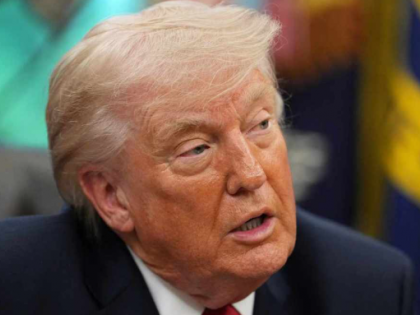
US President Donald Trump on Saturday stated that the United States could launch military strikes against Iran again if Tehran engages in actions Washington considers threatening. Speaking before departing from West Palm Beach, Florida, Trump said diplomatic discussions are still being explored, but military intervention remains a possible option. He revealed that Iran had shared the framework of a proposed agreement and that the detailed version would soon be reviewed by him. Trump’s comments came amid renewed international attention on US-Iran relations, particularly over nuclear concerns, regional tensions, and the ongoing impact of the conflict on global oil markets and diplomatic stability worldwide.
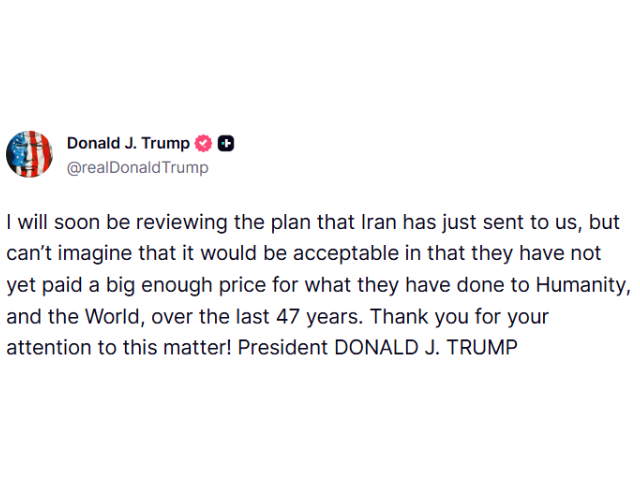
According to a senior Iranian official, Tehran’s proposal seeks to reopen shipping routes through the Strait of Hormuz, a strategically crucial passage responsible for transporting nearly one-fifth of the world’s oil and gas supplies. The proposal also reportedly calls for lifting the US blockade on Iran while postponing detailed discussions regarding Tehran’s nuclear program. Although Trump acknowledged receiving the outline of the proposal, he expressed skepticism over whether the terms would satisfy American expectations. In a post shared on Truth Social, Trump argued that Iran had not faced enough consequences for its actions over the last several decades and hinted the proposal may not be acceptable.
Trump further emphasized that the possibility of military action against Iran has not been completely ruled out. While responding to reporters, he said he could not definitively state what the United States might do if Iran behaved aggressively in the future. The US President reiterated his long-standing position that Iran must never be allowed to obtain nuclear weapons. He also criticized the latest Iranian proposal on Friday, calling it inadequate. At the same time, Iran’s foreign minister signaled that Tehran remains willing to continue diplomatic negotiations if Washington changes its current approach and demonstrates greater flexibility during future discussions aimed at resolving the standoff peacefully.
The US President also stated that, from a humanitarian perspective, he would rather avoid further military confrontation with Iran. Trump said he informed congressional leaders that he did not require additional authorization to continue the conflict beyond the legal deadline because a ceasefire had effectively ended active hostilities. While speaking to reporters at the White House, Trump questioned whether the United States should completely destroy Iran militarily or continue trying to negotiate an agreement. Later, in Florida, he warned against ending the confrontation too quickly, saying unresolved tensions could return within a few years if a lasting solution is not achieved through diplomacy and security guarantees.
The conflict between the United States, Israel, and Iran began on February 28 following coordinated American and Israeli strikes on Iranian targets. Since then, thousands of people have reportedly been killed, while major disruptions affected global trade and energy supplies. Tensions surrounding the Strait of Hormuz created one of the most significant shocks to international oil markets in recent years. Military operations were paused nearly four weeks ago after a ceasefire agreement took effect, allowing diplomatic efforts to intensify. Negotiators from multiple sides have since been attempting to secure a long-term agreement that could prevent renewed violence and reduce instability across the Middle East region.
Open in app