
Mahashivratri 2026: 10 Traditional Foods to Offer to Lord Shiva During the Puja
By Lokmat Times Desk | Updated: February 15, 2026 08:33 IST2026-02-15T08:31:32+5:302026-02-15T08:33:56+5:30



Mahashivratri is one of the most sacred festivals dedicated to Lord Shiva, observed with deep devotion and spiritual fervour ...
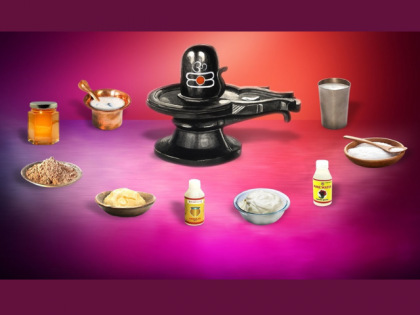
Mahashivratri 2026: 10 Traditional Foods to Offer to Lord Shiva During the Puja
Mahashivratri is one of the most sacred festivals dedicated to Lord Shiva, observed with deep devotion and spiritual fervour across India. The night symbolises the divine union of Shiva and Goddess Parvati and represents the triumph of light over darkness and ignorance. Devotees observe fasts, chant mantras, and offer special prayers seeking blessings for peace, prosperity, and spiritual growth. It is believed that worshipping Lord Shiva on this auspicious night helps cleanse past sins and fulfil heartfelt wishes. Temples resonate with the chants of “Om Namah Shivaya,” creating an atmosphere of faith, surrender, and inner awakening among devotees.
Milk

Milk is one of the most important offerings made to Lord Shiva on Mahashivratri. Devotees pour milk over the Shiva Lingam during the ritual of abhishekam as a symbol of purity and devotion. Milk is believed to calm the fiery nature of Lord Shiva and represents sincerity and selfless love. According to tradition, offering milk helps devotees seek good health and spiritual upliftment. It is also associated with nourishment and positivity, signifying the devotee’s desire to purify the mind and soul. The sacred act of offering milk is considered highly auspicious and spiritually rewarding.
Bael Leaves (Bilva Patra)
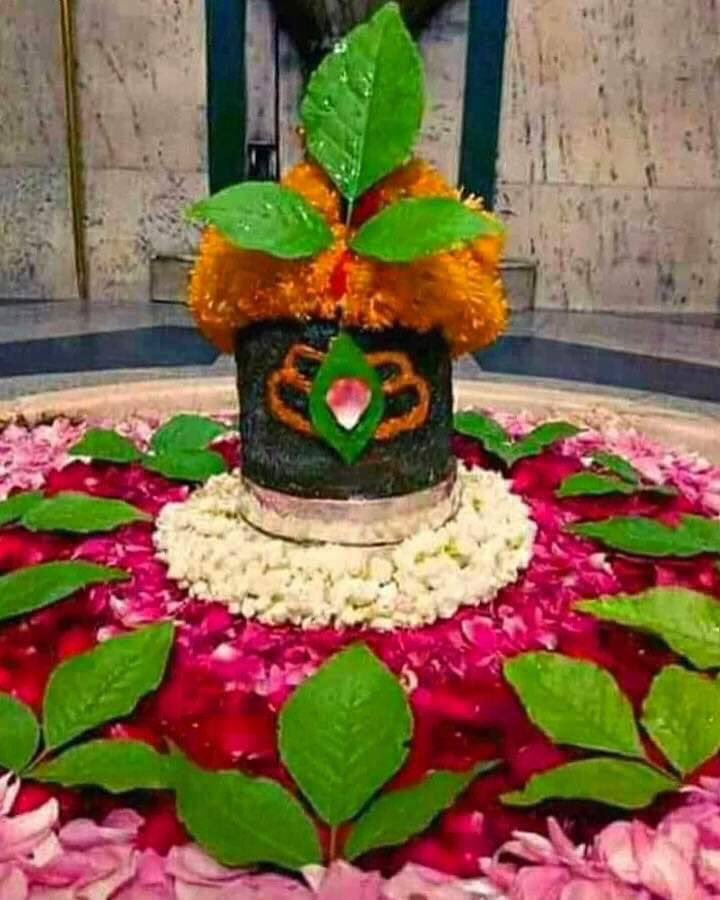
Bael leaves, also known as bilva patra, hold immense significance in Shiva worship. The trifoliate leaves symbolise Lord Shiva’s three eyes and the three fundamental aspects of existence—creation, preservation, and destruction. Devotees carefully place fresh bael leaves on the Shiva Lingam while chanting prayers. It is believed that offering bael leaves helps remove negative energies and grants divine blessings. The leaves are considered extremely dear to Lord Shiva and are said to please him instantly. Their cooling nature also symbolises peace and harmony, qualities that devotees seek in their lives through prayer.
Datura
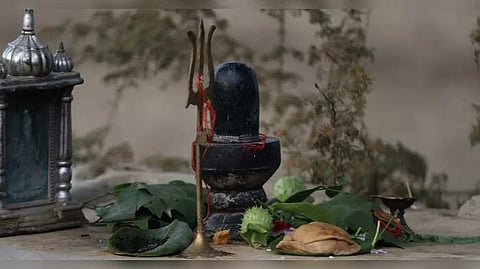
Datura fruit and flowers are traditionally offered to Lord Shiva, as they are believed to be among his favourite offerings. According to mythology, datura emerged during the churning of the ocean and is linked to the poison that Lord Shiva consumed to save the universe. Offering datura symbolises surrendering one’s ego and impurities at the feet of the divine. It also represents protection from negative forces and harmful influences. Devotees believe that presenting datura with devotion can help overcome obstacles and bring mental strength and courage in challenging times.
Bhang
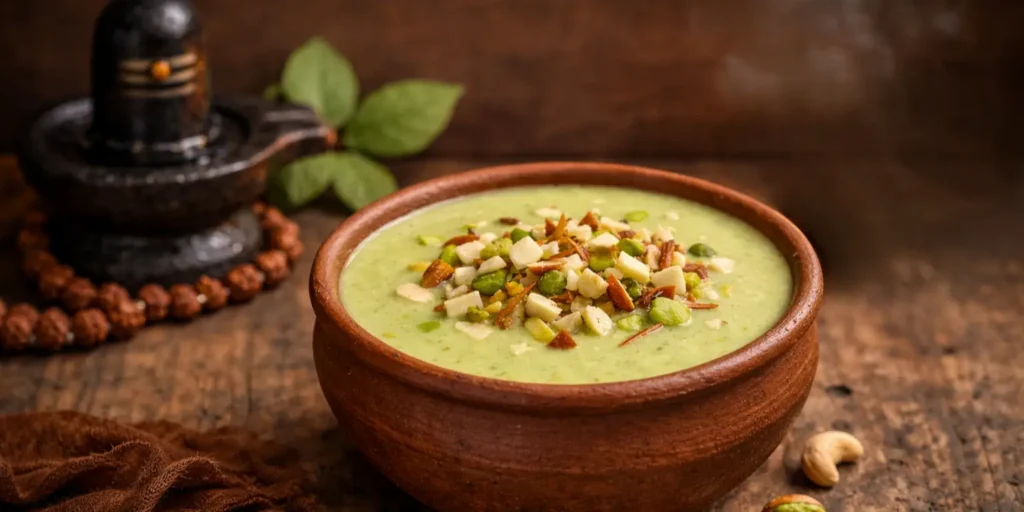
Bhang, prepared from cannabis leaves, is another traditional offering associated with Lord Shiva. Often referred to as the deity of ascetics, Lord Shiva is believed to favour bhang as it symbolises detachment from worldly desires. On Mahashivratri, bhang is offered in moderation as part of ritual worship. It represents spiritual liberation and the transcendence of material attachments. Devotees see this offering as a reminder of the yogic path that Lord Shiva embodies—renunciation, meditation, and inner awakening. However, it is consumed responsibly and primarily within religious contexts.
Honey

Honey is also offered during the abhishekam ritual as a symbol of sweetness and prosperity. When poured over the Shiva Lingam, honey signifies the devotee’s wish for harmony and positive energy in life. It represents purity of speech and actions, encouraging individuals to cultivate kindness and compassion. Honey is believed to attract divine grace and bring success in personal and professional pursuits. The offering also expresses gratitude for life’s blessings. By presenting honey to Lord Shiva, devotees pray for a life filled with sweetness, balance, and spiritual fulfilment.
Ghee
Ghee, or clarified butter, plays an important role in Mahashivratri rituals. It is often used in sacred lamps and poured over the Shiva Lingam during worship. Ghee symbolises illumination and the removal of darkness from one’s life. Lighting a ghee lamp in front of Lord Shiva represents knowledge, wisdom, and divine guidance. Devotees believe that offering ghee strengthens spiritual resolve and invites prosperity into the home. Its purity and nourishing qualities reflect the devotee’s intention to live a righteous and disciplined life under the blessings of Lord Shiva.
Sugarcane
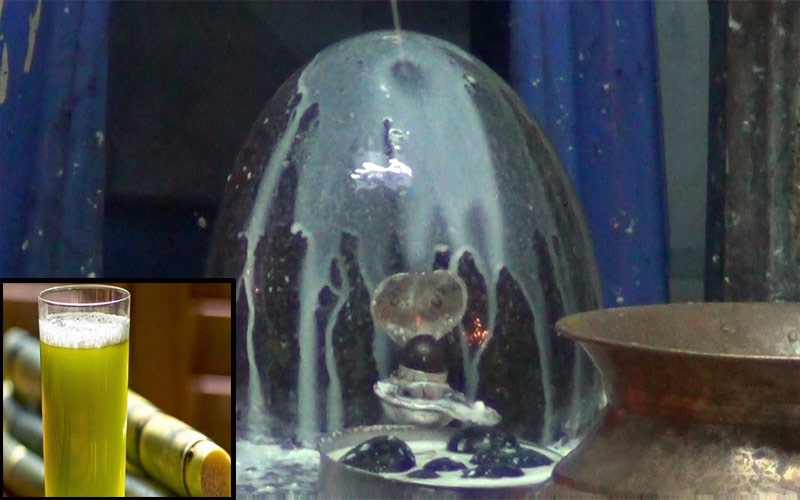
Sugarcane and its juice are offered as a mark of sweetness and abundance. Sugarcane symbolises fertility, growth, and the fulfilment of desires. Devotees present sugarcane to Lord Shiva seeking prosperity and family well-being. The natural sweetness of sugarcane reflects the hope that life will be filled with happiness and positivity. It is also associated with agricultural abundance and gratitude for nature’s gifts. Offering sugarcane during Mahashivratri expresses devotion and appreciation for the sustenance provided by the divine and the earth alike.
Fruits
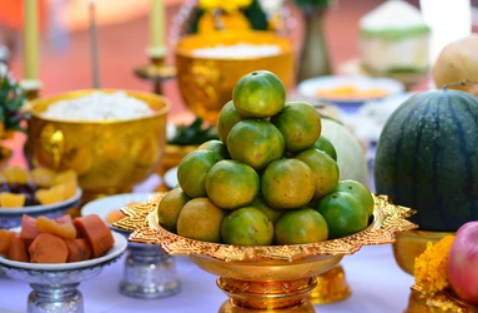
Fruits such as bananas, coconuts, and seasonal offerings are commonly presented to Lord Shiva on this auspicious night. Fruits symbolise purity, selfless giving, and the rewards of sincere devotion. Breaking a coconut during worship represents the breaking of ego and surrender to the divine will. Bananas and other fruits are later distributed as prasad among devotees. Offering fruits signifies gratitude for nature’s bounty and a prayer for health and prosperity. It also reflects the simple and sattvic nature of Shiva worship, emphasising purity and balance.
Sabudana Kheer
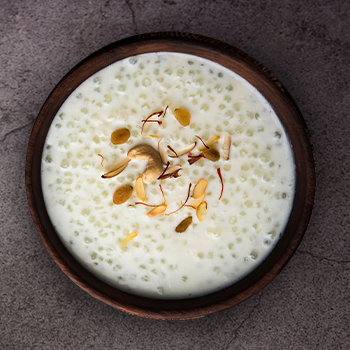
Sabudana kheer is specially prepared during Mahashivratri fasting. Made with tapioca pearls, milk, and dry fruits, this vrat-friendly dish is offered to Lord Shiva as a symbol of devotion observed through fasting. Since many devotees abstain from grains on this day, sabudana kheer represents discipline and faith. Offering this simple yet nourishing dish signifies surrender and spiritual focus. After the prayers, the prasad is shared with family and friends. It highlights the importance of self-control and dedication in honouring Lord Shiva.
Panchamrit
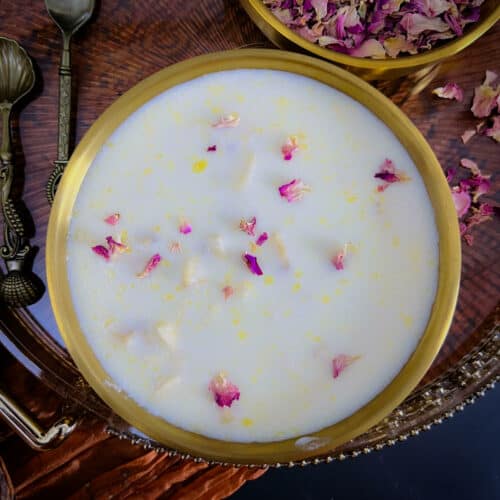
Panchamrit, a sacred mixture of milk, curd, honey, ghee, and sugar, is an essential offering during Mahashivratri rituals. It is used to bathe the Shiva Lingam as part of the abhishekam ceremony. Each ingredient symbolises purity, prosperity, strength, and sweetness in life. Devotees believe that offering Panchamrit brings blessings of abundance and spiritual growth. The mixture is later distributed as prasad, signifying divine grace. Presenting Panchamrit to Lord Shiva reflects devotion, gratitude, and the desire for harmony and well-being in every aspect of life.
Open in app