
Mumbai Coastal Road: BEST Commuters Allege Poor Bus Frequency, Demand 50–100 Daily Trips
By Lokmat Times Desk | Updated: February 16, 2026 17:38 IST2026-02-16T17:38:49+5:302026-02-16T17:38:49+5:30



Mumbai’s ambitious coastal road project, envisioned as a major step toward reducing traffic congestion and strengthening east-west connectivity, is ...
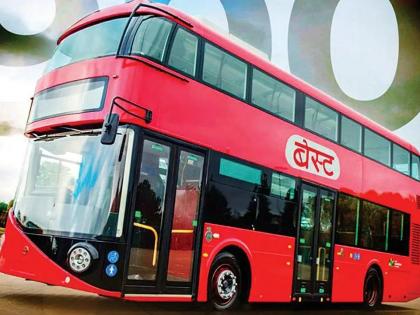
Mumbai Coastal Road: BEST Commuters Allege Poor Bus Frequency, Demand 50–100 Daily Trips
Mumbai’s ambitious coastal road project, envisioned as a major step toward reducing traffic congestion and strengthening east-west connectivity, is facing mounting criticism from daily commuters. While the high-speed corridor was promoted as a transformative infrastructure upgrade that would also prioritise public transport, many regular bus users believe these expectations have not been met. They argue that despite the development of a designated bus lane and the substantial investment involved, the absence of robust bus operations has undermined the project’s larger objective of delivering faster and more reliable mass transit options, as reported TOI.
A report in The Times of India states that bus commuters have expressed disappointment over the minimal presence of Brihanmumbai Electric Supply and Transport services on the route. At present, only two bus routes ply along the corridor, and even these operate at infrequent intervals, limiting their utility for passengers. Commuters contend that such a limited schedule contradicts the very rationale of constructing a signal-free coastal bypass meant to significantly reduce travel time. They say that without frequent services, the dedicated bus lane remains largely underused, diminishing the intended benefits of the infrastructure, as reported TOI.
Frequent travellers acknowledge that the coastal road provides a seamless, uninterrupted journey compared to the often congested inner-city roads. The absence of traffic signals and bottlenecks ensures smoother movement and more predictable arrival times. However, passengers complain that the inadequate number of bus trips forces them to endure long waiting periods at stops, negating the speed advantage the corridor promises. Many feel that unless bus frequency improves substantially, the road will continue to primarily benefit private vehicle owners rather than serving as a reliable backbone for public transportation in the city, as reported TOI.
Officials from Brihanmumbai Electric Supply and Transport informed TOI that there are plans to progressively expand bus services on the coastal road. They attributed the current limitations to a shortage of available buses within the fleet, which has restricted operational capacity. A Public Relations Officer from the undertaking emphasised that the agency is committed to prioritising services on the corridor and maintained that the existing routes are already assisting a segment of commuters. Authorities suggested that improvements would follow once additional resources become available, as reported TOI.
Transport campaigners have described the limited utilisation of the exclusive bus lane as a missed opportunity to encourage a shift from private vehicles to public transport. They have urged authorities to introduce between 50 and 100 bus trips daily, operate services at higher average speeds, and ensure round-the-clock connectivity to maximise the corridor’s potential. Urban mobility expert Ashok Datar also recommended integrating the coastal road with a dedicated bus system along the Western Express Highway, arguing that such coordination could reduce congestion, lower emissions, save fuel, and optimise the overall use of Mumbai’s road network, as reported TOI.
Open in app