
Mumbai Metro Line 3: Mobile Blackout on Aqua Line 3 Highlights Ongoing Tussle Over Metro Connectivity
By Lokmat Times Desk | Updated: March 20, 2026 15:08 IST2026-03-20T15:08:22+5:302026-03-20T15:08:22+5:30



Mobile network services inside the city’s first underground metro corridor, Aqua Line 3, have been suspended after the appointed ...
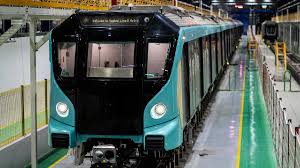
Mumbai Metro Line 3: Mobile Blackout on Aqua Line 3 Highlights Ongoing Tussle Over Metro Connectivity
Mobile network services inside the city’s first underground metro corridor, Aqua Line 3, have been suspended after the appointed third-party infrastructure provider was disconnected for not complying with contractual obligations. Officials indicated that setting up an alternative network will require considerable time, leaving commuters without immediate connectivity solutions. The Mumbai Metro Rail Corporation Limited (MMRCL), which operates the corridor, had earlier invited bids to establish a neutral or shared telecom infrastructure. This system was intended to allow multiple telecom operators to provide services through a common platform, ensuring seamless connectivity for passengers travelling across the underground route.
The approach adopted by MMRCL was based on established practices used in major infrastructure projects such as airports and metro networks across the country. Despite this, telecom companies raised objections, claiming that the model effectively created a monopoly by restricting access through a single third-party vendor. According to them, such an arrangement limited fair competition and operational flexibility. As disagreements escalated between stakeholders, the situation ultimately resulted in the complete absence of mobile connectivity within Mumbai’s first underground metro line, affecting thousands of daily commuters who rely on uninterrupted communication during their journeys.
A senior official associated with Aqua Line 3 confirmed that there has been no progress in restoring the services so far. The official explained that the third-party provider discontinued operations after its contract was terminated due to failure in meeting agreed conditions. As a result, the network was switched off entirely. Authorities further noted that deploying a new telecom infrastructure will not be immediate, as it involves fresh installation processes and coordination with service providers, thereby prolonging the inconvenience faced by passengers travelling through the underground metro corridor.
Telecom operators, however, maintained that they have always been open to offering services in the metro system. They argued that the issue stems from the requirement to route connectivity solely through a third-party vendor, which they claim is attempting to impose excessively high and unreasonable charges. Citing provisions under the new Telecommunication Act and its Right of Way rules, telecom companies asserted that public authorities are not permitted to block direct access to infrastructure for service providers, reinforcing their stance against the current arrangement adopted for Aqua Line 3.
Responding to the concerns, MMRCL reiterated that the process followed to ensure connectivity was fair, competitive, and transparent. The corporation stated that it had initiated an open tender to appoint a neutral infrastructure provider capable of supporting all telecom operators. It also highlighted that telecom companies had extended letters of support to bidders during the selection process, indicating their initial agreement. MMRCL emphasised that the provider was chosen through a legitimate and competitive mechanism, and therefore, allegations of irregularities or bias in the process are unfounded and without merit.
Open in app