
Zoho co-founder links 'Sanatanam' row to DMK's electoral slide in Tamil Nadu
By IANS | Updated: May 14, 2026 13:15 IST2026-05-14T13:14:55+5:302026-05-14T13:15:11+5:30



Chennai, May 14 A strongly worded social media post attributed to Zoho co-founder Sridhar Vembu has reignited debate ...
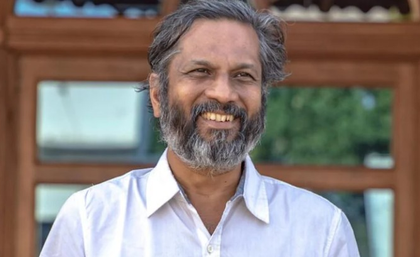
Zoho co-founder links 'Sanatanam' row to DMK's electoral slide in Tamil Nadu
Chennai, May 14 A strongly worded social media post attributed to Zoho co-founder Sridhar Vembu has reignited debate over Tamil Nadu politics, language, religion, and the DMK’s ideological positioning, particularly in the aftermath of its recent election defeat.
In a post on X, Vembu argued that Tamil Nadu’s response to former Deputy Chief Minister Udhayanidhi Stalin’s repeated criticism of “Sanatanam” is deeply linked to language and cultural usage rather than ideology alone.
According to the post, the Sanskrit-derived word “Sanatanam” was historically not part of the everyday vocabulary of most ordinary Tamil-speaking Hindus. In contrast, Tamil words such as “Dharmam,” “Dharumam,” and “Aram” are deeply embedded in Tamil culture and are widely associated with righteousness, morality, and religious virtue.
The post points out that while the Hindi term “Dharam” is commonly used to refer broadly to religion -- including “Sanatan Dharam” for Hinduism and “Isai Dharam” for Christianity -- Tamil usage differs significantly. In Tamil society, “Dharmam” is culturally understood in a manner closely associated with Hindu ethical and spiritual traditions.
Vembu argued that if Udhayanidhi Stalin had directly attacked “Dharmam” in Tamil, the reaction from the Hindu population would likely have been far more severe, as it would have been interpreted as a direct rejection of moral and religious values.
Instead, Vembu suggested, the use of the relatively unfamiliar term “Sanatanam” initially softened public reaction because many ordinary people did not emotionally connect with the word.
However, the post further claimed that repeated attacks on “Sanatanam” have ironically popularised the term among Tamil-speaking people and strengthened the perception that the DMK remains hostile to Hindu beliefs and traditions.
The remarks also linked the debate to the outcome of the 2026 Tamil Nadu Assembly elections, where the DMK lost power despite a strong alliance, major campaign spending, and organisational strength.
The post argued that anti-DMK sentiment has steadily expanded over the years due to repeated controversies involving Hindu symbols and religious issues.
"With all his 'sincere' effort, he (Udhayanidhi Stalin) is making the word known in Tamil too, and he has made the already huge anti DMK vote in Tamil Nadu even bigger. The DMK has never won a majority on its own ever, because of that huge, strong anti-DMK current. They established that current with their constant attacks on Hindu deities. The AIADMK never did that, and they harvested the anti-DMK current well," Vembu said in the post.
"Udayanidhi wants to ensure the DMK would never come back. May the eternal sanatana dharma grant his wish," Vembu added.
The comments have triggered intense discussion online, with supporters and critics sharply divided over the political and cultural implications of the “Sanatanam” debate in Tamil Nadu politics.
Disclaimer: This post has been auto-published from an agency feed without any modifications to the text and has not been reviewed by an editor
Open in app