
A three-prong strategy can help govt curb energy shock implications, says HSBC Economist
By ANI | Updated: May 7, 2026 11:30 IST2026-05-07T14:53:57+5:302026-05-07T11:30:50+5:30



New Delhi [India], May 7 : The central government can implement a three-pronged strategy to mitigate the implications of ...
A three-prong strategy can help govt curb energy shock implications, says HSBC Economist
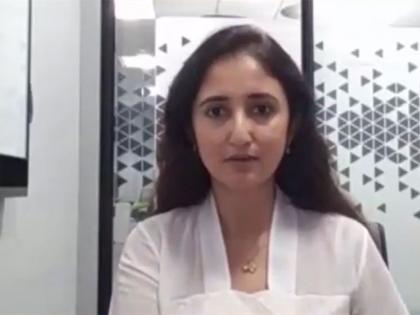
New Delhi [India], May 7 : The central government can implement a three-pronged strategy to mitigate the implications of a global energy shock on domestic growth, according to Pranjul Bhandari, Chief India & ASEAN Economist at HSBC.
Speaking to ANI, Bhandari noted that while energy shocks typically drive prices up and growth down, the government's current focus remains on the growth aspect, as the central bank generally manages inflation. She indicated that the government is utilizing a playbook developed during the pandemic to navigate these supply-side challenges.
"I think from the government's point of view, they are thinking about it as more sort of a growth shock because generally it's the central bank in charge of inflation so they think about prices while the government is about growth....So the government can do a lot of public capex and then they get jobs and incomes from there. So I would say a three-prong strategy: credit guarantee schemes, high unemployment benefits like NREGA and number three, public capex," Bhandari said.
"My general sense is that there are a few things that the government can do. First, handhold the small firms because they are very sensitive to price increases and a lack of inputs. So they've done that with that credit guarantee scheme that they announced overnight," she added.
The economist highlighted the possibility of labourers returning to rural areas if factories reduce operations. She also cautioned that agricultural production could face additional pressure from an El Nino cycle.
"So, handhold rural India as well on the back of these unemployment benefits that you have, like NREGA, employ that. And number three, focus on public investment, public infrastructure, which is something that we started to do during the pandemic period," Bhandari added.
Explaining the logic behind public spending, she noted that when agriculture underperforms, rural workers often transition to construction for income.
Regarding recent manufacturing trends, Bhandari highlighted the rise in the April PMI manufacturing index following a dip in March. She attributed this to the diversification of energy sources and a strategic move by producers to stockpile goods.
"Many manufacturers, because they had energy input available, I think they were of the view that let's quickly produce things and stock it up. What if we don't have energy in the next few months? And we saw a lot of stockpiling. We had a lot of inventory build up," she said.
Bhandari mentioned that while this front-loading activity is currently masking some of the negative effects of the energy crisis, the impact on growth will eventually become more apparent.
"I think the big takeaway for me is that an energy shock generally is negative for growth. Eventually, I think, the shock will be negative for growth, but we may not see all of the negative impact upfront and quickly, because upfront, we are also getting the help and support of the front-loading manufacturing activity that many factories are doing. So that painful information will probably come a little later when front-loading has ended," Bhandari stated.
Disclaimer: This post has been auto-published from an agency feed without any modifications to the text and has not been reviewed by an editor
Open in app