
Black & White Tile Combos for Dramatic Interiors
By Impact Desk | Updated: May 18, 2026 17:29 IST2026-05-18T17:27:11+5:302026-05-18T17:29:49+5:30



Contrast often defines how a space feels, and few combinations achieve this as effectively as black and white. This ...
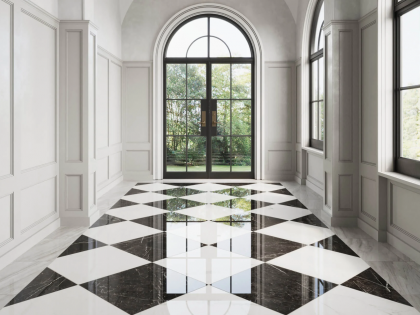
Black & White Tile Combos for Dramatic Interiors
Contrast often defines how a space feels, and few combinations achieve this as effectively as black and white. This timeless pairing does more than create visual appeal; it shapes how we perceive space, depth, and balance. Today, designers use black and white tiles not just as a colour choice but as a design tool to guide movement and highlight key areas. With evolving tile formats and finishes, this classic combination now supports more creative and expressive interiors.
The Psychology of Contrast in Interior Spaces
The black and white tile affects how the space is perceived and are not limited to a decorative role. The black color gives a feeling of stability, while the white makes the space feel airy and bright. Both colors combined create a sense of balance and contrast, adding structure to the space but also making it inviting. This contrast automatically leads the eye to the focal points without any need for additional decoration.
Designing with Contrast, Not Just Colour
Using black and white tiles effectively requires thoughtful placement rather than simply alternating colours. The way you arrange these tiles can completely change how a space feels and functions.
Zoning Through Tiles
Black tiles can define specific areas such as kitchen work zones or shower spaces, while white tiles keep the surrounding areas open and airy. This approach creates clear boundaries without the need for physical partitions. In some interiors, designers also blend monochrome layouts with rustic tiles to soften the contrast and introduce a slightly natural, grounded feel.
Framing and Borders
Black tiles can act as visual frames around floors or walls, adding structure to the overall layout. This technique works especially well in larger spaces where subtle definition enhances the design.
Controlled Asymmetry
Perfect symmetry often feels predictable. By placing black tiles unevenly or unexpectedly, you can introduce movement and create a more contemporary look.
Statement Layouts That Go Beyond the Usual
Traditional patterns still work, but modern interiors benefit from layouts that feel more dynamic and less expected.
Broken Checkerboard
Instead of a standard grid, offsetting the pattern or varying tile sizes can give the checkerboard layout a more updated and relaxed feel.
Diagonal and Angled Grids
Placing tiles at an angle introduces energy into the design. This layout works well in compact areas, where it can make the space feel more expansive.
Monochrome Layers
Combining shades of black, grey, and white softens the contrast while maintaining depth. This layered approach creates a more refined and less stark appearance.
Feature Strips Instead of Full Coverage
Thin strips of black tiles across white surfaces can add detail without overwhelming the space. This works particularly well on walls where subtle accents feel more balanced.
Where Drama Works Best: Strategic Placement
The impact of black and white tiles depends heavily on where you use them. Strategic placement allows you to create drama without overpowering the entire space.
Transitional Spaces
Hallways and entryways benefit from bold patterns because they serve as zones of movement. A strong design here creates a lasting first impression.
Vertical Surfaces
Using black and white tiles on walls, especially behind vanities or seating areas, draws attention upward and adds depth to the room.
Floor as the Focal Point
Letting the floor carry the pattern while keeping walls minimal creates a balanced look. This approach works well in living rooms and open-plan layouts.
Balancing Drama with Practicality
While contrast creates impact, balance keeps the space comfortable and functional. Too much black can make a room feel smaller, while excess white may look flat without variation. Lighting plays an important role by enhancing contrast and highlighting textures. Mixing finishes, such as matte and textured surfaces, adds depth without extra colours, while using rustic tiles in small sections can soften the overall look and make the space feel more inviting.
Material and Surface Innovation in Monochrome Tiles
Advancements in tile technology have expanded the possibilities for black and white designs. Modern vitrified tiles offer consistent colour, durability, and ease of maintenance. High-definition surfaces now replicate natural materials like marble with impressive accuracy. Large-format tiles reduce grout lines, allowing patterns to appear more seamless and refined. Premium suppliers like Simpolo Tiles & Bathware offer solutions that combine performance with design flexibility, making it easier to achieve both durability and visual impact.
Subtle Details That Elevate the Overall Design
Small details often determine whether a black and white space feels ordinary or well-designed. Grout colour can either highlight patterns or create a seamless finish. Tile size influences how bold or subtle the design appears. Clean alignment and precise installation ensure visual continuity across surfaces. Keeping additional décor minimal allows the tile design to remain the focal point without distraction.
Conclusion
Black and white tiles remain relevant because they adapt easily to changing design styles while creating strong visual impact. Their value lies in how they shape space through contrast, layout, and proportion. When used thoughtfully, they can define zones and highlight key areas without overwhelming the design. Adding subtle textures or elements, such as rustic tiles, can introduce warmth and depth. With the right balance, this combination creates interiors that feel both striking and comfortable.
Open in app
