
Cabinet approves 2 pc Dearness Allowance hike for Central government employees
By IANS | Updated: April 18, 2026 15:30 IST2026-04-18T15:28:18+5:302026-04-18T15:30:29+5:30



New Delhi, April 18 The Union Cabinet, chaired by Prime Minister Narendra Modi, on Saturday approved a 2 ...
Cabinet approves 2 pc Dearness Allowance hike for Central government employees
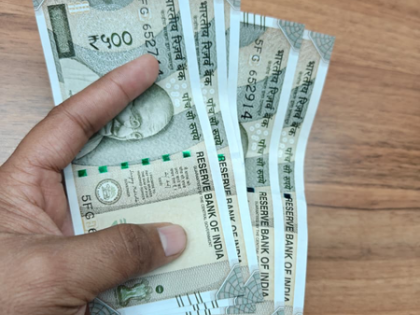
New Delhi, April 18 The Union Cabinet, chaired by Prime Minister Narendra Modi, on Saturday approved a 2 per cent increase in Dearness Allowance (DA) for central government employees effective from January 1, 2026, providing an increase in their take‑home pay.
The Cabinet okayed to release an additional instalment of DA to central government employees and Dearness Relief (DR) to pensioners, representing an increase of 2 per cent over the existing rate of 58 per cent of the basic pay/pension, to compensate against price rise.
“The combined impact on the exchequer on account of an increase in both Dearness Allowance and Dearness Relief would be Rs 6,791.24 crore per annum. This will benefit about 50.46 lakh Central Government employees and 68.27 lakh pensioners,” said an official statement.
This increase is in accordance with the accepted formula, which is based on the recommendations of the 7th Central Pay Commission.
The decision offers a boost to salaries even as broader demands on pay restructuring gather momentum under the proposed 8th Pay Commission.
Meanwhile, in a memorandum submitted to the government, the National Council–Joint Consultative Machinery (NC-JCM) has pitched for a significantly higher fitment factor of 3.83.
If accepted, the proposal could sharply raise the minimum basic pay from Rs 18,000 to around Rs 69,000, marking a substantial revision in the overall pay structure.
The NC-JCM has proposed a steep uplift for minimum pay of central government employees in its common memorandum to the 8th Pay Commission, one month's wages as gratuity and other benefits.
Fitment factor is a multiplier that is used to revise salaries, based on factors such as cost of living and inflation and is then applied to existing basic pay to calculate new pay in a pay commission.
NC-JCM also proposed a 6 per cent annual increment, two increments on promotion, subject to a minimum benefit of Rs 10,000, etc. The changes adopted by the new Pay Commission would affect over 50 lakh central employees and nearly 65 lakh pensioners.
Disclaimer: This post has been auto-published from an agency feed without any modifications to the text and has not been reviewed by an editor
Open in app