
Emergence of India's Next-Generation Tech Hubs Outside Metro Borders: Silicon Jeri Leading the Way
By ANI | Updated: December 8, 2025 16:55 IST2025-12-08T16:50:11+5:302025-12-08T16:55:06+5:30



VMPL New Delhi [India], December 8: For years, India's technology industry has been synonymous with metro hubs such as ...
Emergence of India's Next-Generation Tech Hubs Outside Metro Borders: Silicon Jeri Leading the Way
VMPL
New Delhi [India], December 8: For years, India's technology industry has been synonymous with metro hubs such as Bengaluru and Hyderabad. But by 2025, the center of gravity is shifting. A skills-first, borderless model, championed by talent-cloud companies, global capability centers (GCCs), and innovators like Sabeer Nelli, CEO of Zil Money, who founded Silicon Jeri in his hometown of Manjeri, Kerala, is shining a spotlight on tier-2 and tier-3 cities. Non-metro hubs in India's tier-2 and tier-3 cities are emerging as powerful centers of tech and talent, challenging traditional global hubs.
According to SkillsCapital, over 40% of new tech job applicants in 2025 hail from these non-metro cities, and their AI-powered talent cloud of 24,000 consultants sources over half its experts from small towns. This surge reflects a global shortage of digital talentestimated to cost over $8.5 trillion in lost revenueand demonstrates that businesses can reduce these shortages by tapping into "hidden remote workers" from overlooked regions.
The Economic Times has also observed this trend, with tier-II and tier-III cities seeing over 50% growth in IT hiring during January-June 2025, outpacing the 12-15% growth in tier-1 cities. Staffing firms now strategically set up offices closer to these talent pools, rather than relocating workers to metros.
Reverse Migration and Quality of Life
Why are professionals and companies embracing India's smaller cities? Rising living costs and long commutes in metros are pushing workers back to their hometowns. The Economic Times reports that, for many, living in a metro can feel like a financial trap. As consumption, infrastructure, and education improve in tier-2 and tier-3 towns, companies are expanding their operations and creating jobs.
Employers report saving up to 30% in operational costs, such as lower real estate and salary expenses, when operating in smaller cities. But the shift is not just about cost savings; it's about rebalancing India's talent landscape. And this is where Silicon Jeri comes inleading the charge to reverse the brain drain.
Policy and the GCC Boom
India now hosts over 1,750 global capability centers, employing more than two million professionals. In the past year, at least 70 new centers were opened, many in non-metro hubs. Over 50% of these GCCs have gone beyond basic service delivery, diving into product and platform innovation. Kerala, a state embracing this shift, promotes itself as a destination for both talent and the broader ecosystem.
A panel of leaders at ET Surge 2025 noted that Kerala's pitch to enterprises is "come for the talent, but stay for the ecosystem". The state has introduced a detailed GCC policy after consulting industry bodies such as NASSCOM and the CII.
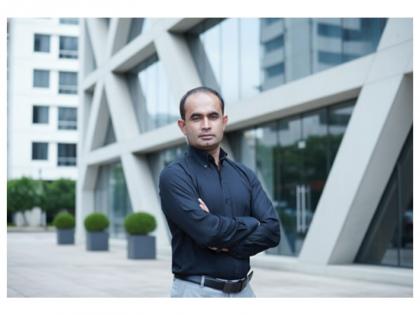
Silicon Jeri, located in the small town of Manjeri, Kerala, exemplifies this trend. Founded by entrepreneur Sabeer Nelli, Silicon Jeri was conceived as a direct response to the brain drain that Sabeer experienced growing up in Malappuram. After creating Zil Money, an U.S.-based fintech company, Sabeer returned to his roots to build an innovation ecosystem that would nurture both talent and ambition within a small-town context.
Silicon Jeri is more than just a tech hub; it's a microcosm of India's changing talent landscape. Providing state-of-the-art offices, co-working spaces, and event venues, the campus is home to over 150 employees and can accommodate up to 1,400 as it grows. The ZilCubator, a unique incubation facility within Silicon Jeri, offers mentorship, funding, and office space for budding entrepreneurs, ensuring that local talent has the resources to innovate and thrive.
The Silicon Jeri Ecosystem
The significance of Silicon Jeri lies in its holistic design. Rather than creating an isolated tech enclave, Silicon Jeri is deeply integrated with its local community. The hub fosters a symbiotic relationship with Manjeri through public events and school field trips. Additionally, its training programs and workshops on artificial intelligence, cybersecurity, and fintech ensure that local curricula align with the demands of the tech industry.
At its core, Zil Money Global Development Center, with high-speed internet and global partnerships, it enables local talents to serve international clients while still enjoying the lifestyle and comfort of small-town living. This inclusive model ensures that the hub attracts diverse talents who might otherwise be overlooked, creating a fertile ground for growth and innovation.
Silicon Jeri is not just about technology; it's about cultivating a strong sense of community. When people see viable careers in their hometowns, they are more likely to stay and reinvest in their communities. By focusing on building trust and social capital, Silicon Jeri is not only changing the way small-town India views the tech industry but also reversing the traditional brain drain.
Looking Forward
As digital and AI tools evolve, India's non-metro hubs, like Kerala's tier-2/3 corridors, are emerging as strong alternatives to traditional metro hubs. With cost efficiency, skilled local talent, and supportive policies, these regions are becoming attractive destinations for businesses and professionals. Silicon Jeri embodies this shift, offering opportunities for young professionals to stay close to home while advancing their careers. Diaspora entrepreneurs can now bring global knowledge back to their hometowns, while women and caregivers enjoy flexible career options.
Zil Park, a 100-acre technology and education campus, will extend Silicon Jeri's impact across the Malabar region, integrating research labs, incubation spaces, vocational academies, and collaborative workspaces to foster innovation and drive sustainable growth.
(ADVERTORIAL DISCLAIMER: The above press release has been provided by VMPL.will not be responsible in any way for the content of the same.)
Disclaimer: This post has been auto-published from an agency feed without any modifications to the text and has not been reviewed by an editor
Open in app