
From Infrastructure to Grade-A Growth: Vijay Raundal on Building Teerth Realties and Pune’s Real Estate Future
By PNN | Updated: February 9, 2026 11:35 IST2026-02-09T17:04:44+5:302026-02-09T11:35:04+5:30



Pune (Maharashtra) [India], February 09: With a professional journey that began in 1986, Mr. Vijay Raundal, Managing Director of ...
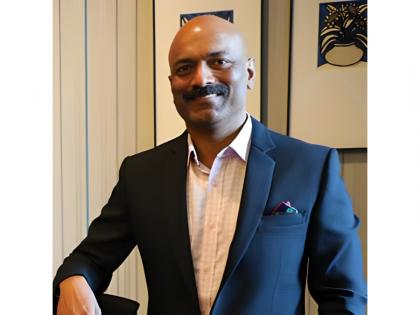
From Infrastructure to Grade-A Growth: Vijay Raundal on Building Teerth Realties and Pune’s Real Estate Future

Pune(Maharashtra) [India], February 09: With a professional journey that began in 1986, Mr. Vijay Raundal, Managing Director of Teerth Realties, brings decades of hands-on experience across government public works, infrastructure, and real estate development. Starting his entrepreneurial journey at the age of 17, Mr. Raundal built his career on discipline, execution, and long-term vision—principles that continue to shape Teerth Realties today. In this interview, he shares insights on his transition from infrastructure to real estate, Pune's evolving property landscape, the rise of Grade-A commercial developments, and the company's next growth phase with Teerth 2.0.
- You began your professional journey in 1986. What were the biggest challenges you faced while transitioning from government contracting and PWD projects to real estate development?
When I started in 1986, my work was mainly focused on government and PWD projects. That ecosystem is very structured—you receive a tender, execute it, and deliver. Real estate is very different. Here, you must plan everything yourself, including land acquisition, design, finance, market demand, and customer expectations.
The biggest challenge was managing risk and long project timelines, but my background in discipline, quality, and execution helped me adapt successfully.
- What inspired you to move from infrastructure-led projects into large-scale real estate, and how did that shift shape Teerth Realties' early vision?
Infrastructure work gives you a clear understanding of how cities grow. Over time, I felt that instead of only building roads and public works, I could contribute by creating better spaces for businesses and people.
Pune was growing rapidly, and there was a clear need for well-planned commercial buildings and quality residential projects. That insight shaped Teerth Realties' early vision.
- Over the last two decades, how has the Pune real estate market evolved, and what core fundamentals have remained unchanged?
Pune has transformed significantly. Earlier, it was primarily an industrial city; today, it is a major IT and education hub. Buyers and tenants are far more informed and now prioritise quality, compliance, and long-term value.
What remains unchanged is Pune's strong talent base, pleasant lifestyle, and steady growth potential.
- Teerth Realties has built a strong reputation in commercial real estate. Why did the company choose to focus on Grade-A commercial developments?
We believe in building long-lasting assets, not just structures. Grade-A commercial developments meet modern corporate requirements through better design, safety, efficiency, and comfort.
They also provide stability and better returns for investors, making them a sustainable choice for all stakeholders.
- How have the expectations of office buyers and corporate tenants in Pune changed over the years?
Earlier, the focus was mainly on location and office size. Today, expectations include good connectivity, energy-efficient buildings, ample parking, safety, amenities, and flexibility for future expansion.
Offices are now about creating a complete work experience, not just providing space.
- How critical are location, infrastructure, and connectivity in determining the success of a commercial project in Pune?
They are extremely critical. Even the best-designed building will struggle if the location is not right. Easy access to highways, metro routes, residential hubs, and daily conveniences makes a significant difference.
At Teerth Realties, location is always our first priority.
- Real estate is cyclical by nature. How do you manage financial risk and execution during market slowdowns?
Market cycles are inevitable. We focus on careful financial planning, avoid over-borrowing, and execute projects in phases.
Most importantly, we continue execution even during slow periods. Timely delivery builds long-term trust.
- Sustainability is becoming central to modern development. How is it influencing Teerth Realties' projects?
Sustainability is no longer optional—it's essential. From the design stage, we focus on natural light, energy efficiency, water management, and green planning.
These measures benefit the environment while also reducing operating costs for tenants.
- What leadership principles guide you in building long-term trust with customers, partners, and investors?
For me, leadership is about honesty, consistency, and delivery.
If you commit to something, you must deliver—especially during challenging times. That's how trust is built over the long term.
- Teerth Realties is entering a new phase with Teerth 2.0 and its first plotted development in Kasar Amboli, Pune. What prompted this move?
There is a clear shift in buyer preference toward land ownership and open spaces. Plotted developments cater well to this demand.
Kasar Amboli has strong future growth potential, making it the right choice. With Teerth 2.0, we are extending our trusted planning and execution standards into this segment.
- Looking ahead, how do you see the commercial real estate markets of Pune and Navi Mumbai evolving over the next 5–10 years?
Pune will continue to grow as a strong IT and business hub, with steady demand for quality office spaces.
Navi Mumbai holds immense potential, especially with upcoming infrastructure developments and the new airport. Both cities will see rising demand for Grade-A, sustainable, and well-connected commercial projects.
From infrastructure execution to shaping Pune's commercial real estate landscape, Mr. Vijay Raundal's journey reflects discipline, foresight, and unwavering commitment to quality. As Teerth Realties enters its next growth phase with Teerth 2.0, the company remains focused on sustainable development, strategic locations, and trust-led execution—principles that continue to define its long-term vision.
Disclaimer: This post has been auto-published from an agency feed without any modifications to the text and has not been reviewed by an editor
Open in app