
India-EU FTA must address impact of carbon tax, suggests Jairam Ramesh
By ANI | Updated: January 1, 2026 13:40 IST2026-01-01T19:05:23+5:302026-01-01T13:40:04+5:30



New Delhi [India], January 1 : Congress leader Jairam Ramesh on Thursday suggested that the impending India-EU FTA, which ...
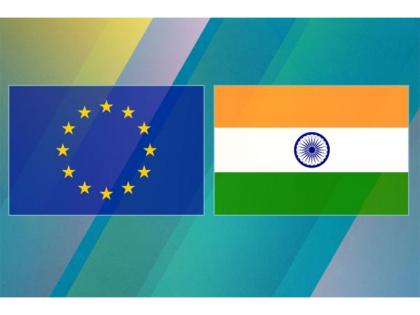
India-EU FTA must address impact of carbon tax, suggests Jairam Ramesh
New Delhi [India], January 1 : Congress leader Jairam Ramesh on Thursday suggested that the impending India-EU FTA, which is expected to be signed soon, must account for what he termed as "unacceptable non-tariff barrier", referring to the European Union's CBAM (Carbon Border Adjustment Mechanism) that is implemented fully from 2026.
Effective today, CBAM is a climate policy tool introduced by the European Union, designed to put a "fair price" on carbon emissions embedded in imported goods and prevent "carbon leakage."
The CBAM will have to be paid by Indian exporters on select goods, even as the central government is actively engaging with the EU for a comprehensive trade deal.
In 2024-25, India's exports of steel and aluminium (the items likely hardest hit by the CBAM) to the EU averaged USD 5.8 billion. It had fallen from USD 7 billion in the previous year, Jairam Ramesh wrote on X.
"In FY 2024-25, our exports of steel and aluminium to the EU averaged $5.8 billion - having already fallen from ~$7 billion in the previous year as EU importers began preparing for the introduction of the CBAM," the Congress leader's X post read.
He also cited the Indian trade-focused think tank, the Global Trade Research Initiative (GTRI), which estimates that many such Indian exporters may have to cut prices by 15-22 per cent so that their EU importers can use that margin to pay the carbon tax.
In addition, the Congress leader asserted that the CBAM documentation requirements call for meticulous accounting for and reporting of carbon emissions that are adding further costs to Indian exporters.
Against that backdrop, he suggested that, "Any India-EU FTA that does get finally signed must account for this unacceptable non-tariff barrier."
Indian steel and aluminium exporters are likely to face sharp pricing pressure in the European market from today, as every shipment entering the European Union will carry a carbon cost under the Carbon Border Adjustment Mechanism (CBAM), according to Global Trade Research Initiative (GTRI).
The report said that from January 1, 2026, CBAM will move from a reporting phase to a payment-linked commercial reality. As a result, many Indian exporters may have to reduce export prices by 15 to 22 per cent so that EU importers can use this margin to pay the CBAM-related carbon cost.
While Indian exporters will not directly pay the tax, the burden will effectively fall on them. Under CBAM rules, EU-based importers, registered as authorised CBAM declarants, will be required to buy CBAM certificates linked to the embedded emissions in imported steel and aluminium.
However, this cost is expected to be pushed back to Indian suppliers through lower prices and tougher contract terms, GTRI noted.
The GTRI report warned that CBAM will hit Indian steel and aluminium exports to the EU hard, with MSMEs likely to bear the heaviest burden due to high compliance and verification costs.
Disclaimer: This post has been auto-published from an agency feed without any modifications to the text and has not been reviewed by an editor
Open in app