
Jewellery emerges among top three drivers of retail leasing in India after fashion, F&B: Report
By ANI | Updated: May 14, 2026 18:30 IST2026-05-14T23:55:50+5:302026-05-14T18:30:17+5:30



New Delhi [India], May 14 : Jewellery has emerged as the third-largest demand driver in India's organised retail market ...
Jewellery emerges among top three drivers of retail leasing in India after fashion, F&B: Report
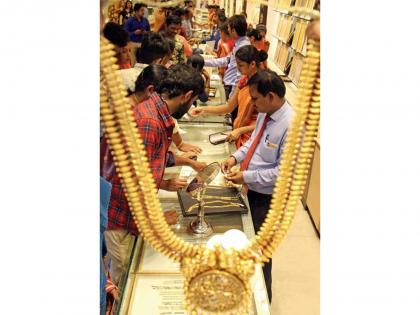
New Delhi [India], May 14 : Jewellery has emerged as the third-largest demand driver in India's organised retail market after fashion and apparel and food and beverage (F&B), with its share in total retail leasing rising from 2 per cent in 2019 to 8 per cent in 2025, according to a report by CBRE.
According to the report, the growth comes amid a shift in retail strategy, with jewellery brands increasingly moving towards larger stores and experience-based showrooms. Large-format stores above 8,000 sq. ft. accounted for 50 per cent of jewellery retail leasing in 2025, up from 14 per cent in 2019.
The sector also recorded a sharp increase in leasing by jewellery brands also increased significantly during the year. "Absorption by jewellery brands doubled from 0.4 million sq. ft in 2024 to 0.8 million sq. ft in 2025," with Hyderabad, Chennai, Bengaluru, Delhi-NCR and Mumbai accounting for most of the demand.
Jewellery retailers are moving beyond traditional small outlets and are opening larger stores designed as experience centres, with private bridal lounges, virtual try-on facilities and dedicated spaces for premium collections, the report stated.
The category mix is also changing. While fine jewellery continued to dominate with 72 per cent of leasing in 2025, lab-grown diamond brands increased their share from 5 per cent in 2024 to 8 per cent in 2025, reflecting changing consumer preferences.
"The tenant mix within the jewellery category is also evolving. Fine Jewellery continued to dominate at 72% of leasing in 2025, but the share of leasing by Lab-Grown Diamond (LGD) brands rose from 5% in 2024 to 8% in 2025, reflecting a broader shift in consumer preferences," the report noted.
Brands are also adopting multiple retail formats, including large flagship stores, boutique outlets in malls and shop-in-shop models, to target different consumer segments.
While metro cities continue to contribute most of the sector's revenues, tier-II and tier-III cities are emerging as stronger profitability centres due to lower operating costs and higher average transaction values.
Disclaimer: This post has been auto-published from an agency feed without any modifications to the text and has not been reviewed by an editor
Open in app