
Nasscom flags concerns over new US rules for H-1B visas
By IANS | Updated: December 24, 2025 21:40 IST2025-12-24T21:39:32+5:302025-12-24T21:40:14+5:30


New Delhi, Dec 24 The recent changes about the wage-weighted selection mechanism for H-1B visas proposed by the ...
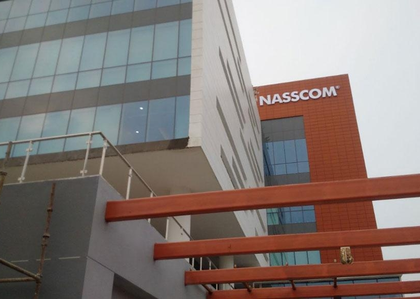
Nasscom flags concerns over new US rules for H-1B visas
New Delhi, Dec 24 The recent changes about the wage-weighted selection mechanism for H-1B visas proposed by the USA’s Department of Homeland Security represent a significant departure from the long-standing, neutral lottery system and raise important legal, economic, and operational concerns, according to a Nasscom statement issued on Wednesday.
The apex trade body for India’s IT software sector pointed out that while the intent behind the proposed changes, to promote high-skill employment, curb misuse, and protect U.S. wages, is well understood, a transparent, trusted visa framework is essential to maintain the strength of the U.S. technology ecosystem.
Wage levels vary significantly by geography and role, and a weighted model could inadvertently disadvantage small and mid-sized enterprises, startups, research institutions, and university-linked employers that operate with moderate but market-appropriate wage structures, according to the statement.
While H-1B professionals constitute a small share of the overall U.S. workforce supported by Nasscom member companies, they play a major role in driving innovation, productivity, and job creation across the digital economy, the statement said.
H-1B petitions at Level I and Level II wage bands frequently represent entry-level roles for graduates of U.S. universities in science, engineering, and computing disciplines. These positions form a vital part of the STEM talent pipeline, enabling early-career professionals to gain industry experience and progress into mid- and senior-level innovation roles over time.
Under a weighted system, opportunities at the entry level could weaken the future talent base and discourage international students from pursuing advanced education in the United States, Nasscom has further stated.
This would work against the country’s goals of strengthening competitiveness, driving innovation, and supporting higher education. Further, a sudden shift to a wage-weighted model would introduce uncertainty, increase compliance complexity, and disrupt long-established workforce planning, particularly for smaller and mid-sized firms that align recruitment with academic calendars, client delivery schedules, and product release cycles.
Nasscom member companies collectively support more than 1.6 million skilled jobs across the United States, contributing $198 billion to the U.S. GDP—an impact larger than that of over 20 state economies.
With over 264,500 employees directly in the U.S. and a presence in more than 25 major American communities, Nasscom companies help strengthen both established and emerging technology hubs.
Notably, more than two-thirds of these jobs are located outside Silicon Valley and New York, fostering inclusive growth in regions such as Texas, North Carolina, Ohio, and Illinois, the statement points out.
Any structural reform must preserve predictability, equity, and alignment with statutory intent. Should a wage-weighted approach be pursued, a phased implementation with sufficient lead time would be essential.
Delaying implementation until the FY 2028 lottery cycle would provide employers the necessary runway to adapt processes, ensure compliance, and maintain confidence in the stability of the U.S. talent and investment environment, the statement said.
The joint US congressional letter issued on 30th October 2025 addressed to the President also highlights that Indian nationals, who make up the largest share of H-1B recipients, are central to U.S. leadership in information technology and artificial intelligence. America must continue attracting the world’s best talent to maintain our innovation ecosystem, strengthen the defence industrial base, and preserve our long-term competitive edge, the Nasscom has further pointed out.
In the case of India, the country of origin for 71 per cent of H-1B holders last year, attracting this talent also reinforces our strategic partnership with a key democratic partner in the Indo-Pacific.
A balanced, consultative approach will be critical to ensuring that reforms strengthen rather than inadvertently weaken the innovation advantage and global competitiveness of the United States.
The H-1B program is not simply about addressing labour needs; it is about securing U.S. leadership in the industries that will define global power in the 21st century, the statement added.
Disclaimer: This post has been auto-published from an agency feed without any modifications to the text and has not been reviewed by an editor
Open in app