
Senator Graham's bill poses threat to India's USD 120 billion exports to US, India must take clear position on Russian oil: GTRI
By ANI | Updated: January 8, 2026 20:10 IST2026-01-09T01:39:18+5:302026-01-08T20:10:03+5:30


New Delhi [India], January 8 : With US President Donald Trump "greenlighting" a bill that would impose 500 per ...
Senator Graham's bill poses threat to India's USD 120 billion exports to US, India must take clear position on Russian oil: GTRI
New Delhi [India], January 8 : With US President Donald Trump "greenlighting" a bill that would impose 500 per cent tariffs on countries for buying Russian oil, GTRI said in a report on Thursday that any such tariff would effectively shut down India's goods and services exports to the United States, now exceeding USD 120 billion annually and that India must take clear position on Russian oil imports.
Global Trade Research Initiative (GTRI) said in its report that India must also decisively convey to US its stance on Russian oil imports.
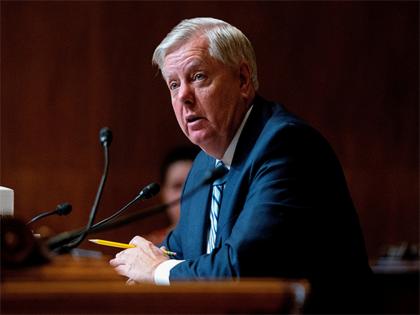
"On January 7, Senator Lindsey Graham said President Donald Trump had approved a sanctions bill targeting buyers of discounted Russian oil, including China, India and Brazil. The bill proposes US tariffs@500% on Goods and Services of countries buying Russian oil," the report said.
"China and India are the two largest buyers of Russian oil. Yet Washington has penalised only India, imposing a 25% tariff, while leaving China untouched. The United States fears that Beijing could retaliate by restricting rare-earth supplies essential to US high-technology and defence manufacturing," it added.
The report said that the same selective logic is likely to prevail under Senator Lindsey Graham's proposed legislation.
"Even if the bill were to clear the Senatea remote prospectit would in practice target India alone, while China would remain beyond reach," the report said.
Currently, President Trump relies on presidential emergency powers under the International Emergency Economic Powers Act to take tariff actions, but that approach faces legal challenges with a Supreme Court ruling expected shortly. The Graham bill, by contrast, requires formal Senate approval, rendering its final passage uncertain.
The implementation of such high tariffs on services presents a unique legal challenge. While US customs authorities possess the mechanism to levy tariffs on physical goods, no similar legal framework exists for services.
Any escalation in this area would likely involve taxing US firms on payments made for Indian services exports. "A 50% tariff has already inflicted significant damage. A 500% tariff would effectively shut down India's goods and services exports to the United States, now exceeding USD 120 billion annually," the report noted. "India must take a clear position on Russian oil imports and convey it decisively to Washington."
GTRI states that the broader contradiction is hard to ignore. US lawmakers speak of "punishing" countries for purchasing Russian oil even as Washington moves aggressively to seize Venezuela's oil assets. "This is not a rules-based trading order; it is worse than law of jungle, as it is unevenly applied," the report said.
Disclaimer: This post has been auto-published from an agency feed without any modifications to the text and has not been reviewed by an editor
Open in app