
Why Stock Market Crashed Today? Investors Lose Rs 11 Lakh Crore
By Lokmat Times Desk | Updated: March 23, 2026 12:41 IST2026-03-23T12:39:20+5:302026-03-23T12:41:19+5:30



Rising tensions between Iran and the United States-Israel, a weakening rupee and other global factors weighed heavily on investor ...
Why Stock Market Crashed Today? Investors Lose Rs 11 Lakh Crore
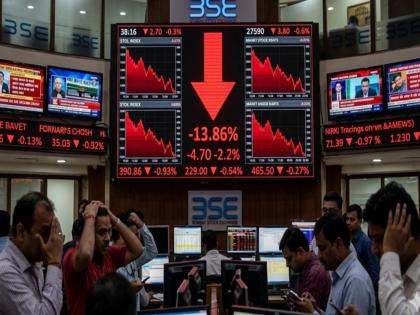
Rising tensions between Iran and the United States-Israel, a weakening rupee and other global factors weighed heavily on investor sentiment on Monday, March 23, triggering a sharp fall in the Indian stock market. The BSE’s 30-share Sensex plunged over 1,800 points, while the NSE’s Nifty slipped below the key level of 22,550.
The Sensex dropped 1,803 points to 72,784, while the Nifty fell to 22,538 in the early trade on Monday morning. Heavy selling wiped out nearly Rs 11 lakh crore from the total market capitalisation of BSE-listed companies, bringing it down to around Rs 418 lakh crore.
Four Main Reasons Behind the Stock Market Crash
1. Rising Global Tensions Due to US-Iran Conflict
The escalating conflict between the US and Iran remains the biggest concern for markets. US President Donald Trump has warned Iran that its energy infrastructure could be targeted if it does not reopen the Strait of Hormuz. In response, Iran has threatened to shut it completely. This standoff has raised fears over global supply chains and energy markets, unsettling investors.
2. Rupee Hits Record Low
The Indian rupee remained under pressure and touched a record low of 93.89 against the US dollar on Monday. A weaker rupee reduces India’s appeal for foreign investors, leading to capital outflows and added market pressure. It also raises import costs, increasing inflation risks.
Also Read | Gold Price on March 23, 2026: Prices of Yellow Metal and Silver Fall Sharply; Check Rates.
3. Surge in Crude Oil Prices
Brent crude prices remain above $110 per barrel, a major concern for an import-dependent country like India. Higher oil prices fuel inflation, widen the current account deficit and impact corporate earnings. Experts warn that sustained high oil prices could also weigh on India’s GDP growth.
4. Continued Selling by Foreign Investors
Foreign portfolio investors (FPIs) have been लगातार selling in the market. Since the start of the conflict, FPIs have sold shares worth around Rs 1 lakh crore. In March alone, over Rs 86,000 crore has been withdrawn, further weakening market sentiment.
What Should Investors Do?
Market volatility may persist until geopolitical tensions ease, oil prices stabilise and the rupee strengthens. Investors are advised to avoid panic selling, focus on fundamentally strong companies and maintain a long-term investment strategy.
