
FDA Introduces ‘Chain of Risk’ Framework to Advance Tobacco Harm Reduction
By Impact Desk | Updated: December 24, 2025 20:38 IST2025-12-24T20:35:41+5:302025-12-24T20:38:40+5:30


New regulatory framework recognizes lower-risk alternatives as part of public health strategy Global debate intensifies as Indian experts see ...

FDA Introduces ‘Chain of Risk’ Framework to Advance Tobacco Harm Reduction
- New regulatory framework recognizes lower-risk alternatives as part of public health strategy
- Global debate intensifies as Indian experts see opportunity to integrate harm reduction into national tobacco control efforts
New Delhi, 2025: Considering the increasingly diverse development of tobacco products, the U.S. Food and Drug Administration (FDA) has announced plans to formally implement a “chain of risk” framework to classify and regulate tobacco products based on their relative harm to public health.
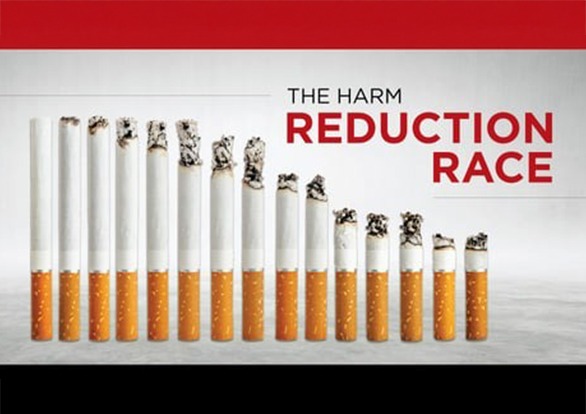
The “chain of risk” is a system for classifying tobacco products based on their level of health risk, from high to low. It evaluates factors such as nicotine and toxic substance content, mode of use—combustion, heating, or vaporization—and the potential for addiction and long-term effects. This framework is designed to help regulators identify the most harmful products and allocate control resources effectively, focusing on protecting young people and supporting smokers who have not been able to quit, while reducing risks from unregulated products.
Acting Director of the FDA’s Center for Tobacco Products, Bret Koplow, emphasized that harm reduction will be central to this strategy, alongside measures to strengthen age-verification technologies and prevent youth access to e-cigarettes and nicotine products. He further reinforced the need for a transparent, legal market where risk-reducing products are properly licensed and regulated.
Commenting on the implications for India, Dr. Sanjeev Gera, Senior Director & HOD, Interventional Cardiology, Fortis Hospital, Noida, UP, said: “India has traditionally relied on bans and punitive measures, but the FDA’s approach offers a new perspective—one that prioritizes reducing harm rather than enforcing absolute abstinence. For millions of Indian smokers who struggle to quit, regulated alternatives could provide a safer pathway and complement our existing tobacco control efforts.”
While the FDA and the World Health Organization (WHO) share the same overarching goal of protecting youth and reducing tobacco-related harm, their approaches differ significantly. The FDA advocates a transparent, regulated market where risk-reducing products are properly licensed, whereas WHO maintains a restrictive stance, discouraging alternatives over concerns they could serve as gateways to nicotine addiction among young people.
The “better to kill a mistake than to miss” philosophy has drawn criticism from governments and scientists, particularly during the recent COP11 conference in Geneva. At COP11, several countries challenged WHO’s position and invoked Article 2.2 of the Framework Convention on Tobacco Control (FCTC), which affirms the right of member states to adopt flexible policies based on national realities. These interventions highlighted a growing global consensus that harm reduction strategies deserve a place in tobacco control frameworks, rather than being dismissed outright.
With India facing one of the world’s largest tobacco burdens, the FDA’s policy shift and the debates at COP11 serve as reminders that evidence-based harm reduction strategies can play a critical role in accelerating progress toward improved health outcomes.
Open in app