
China's BRI investment in Bangladesh brings uneven progress amid delays, rising costs: Report
By IANS | Updated: May 2, 2026 17:05 IST2026-05-02T17:01:07+5:302026-05-02T17:05:30+5:30



Beijing/Dhaka, May 2 Bangladesh's engagement with the Chinese-financed Belt and Road Initiative (BRI) over the past decade has ...
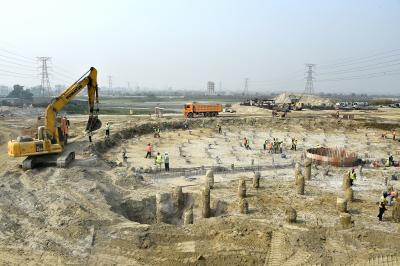
China's BRI investment in Bangladesh brings uneven progress amid delays, rising costs: Report
Beijing/Dhaka, May 2 Bangladesh's engagement with the Chinese-financed Belt and Road Initiative (BRI) over the past decade has produced significant but uneven progress, especially in transport and energy infrastructure, with delays, rising costs and selective project revisions limiting its impact, a report stated.
According to a report in the international magazine 'The Diplomat', under the BRI framework, Bangladesh was expected to receive around $40 billion in Chinese investments from China - $26 billion for independent projects and $14 billion for joint venture projects – but the majority of the funding is yet to materialise.
Moreover, it said, despite China's massive investments and pledges to Bangladesh in 2016, only a fraction has been delivered so far.
“The slow pace of project implementation, coupled with growing costs of the projects, has hindered Bangladesh's plans for rapid infrastructure development, while bureaucratic bottlenecks, risks of corruption, and concerns about debt sustainability have affected the country's decision-making," the report stated.
Citing commentators, the report said that the BRI projects in Bangladesh are viewed as 'part of a wider Chinese strategy through which China is seeking to expand its geopolitical and geostrategic influence in the Bay of Bengal in order to resolve the 'Malacca Dilemma', build a two-ocean blue-water navy, and counter the influence of its opponents in the region.
In particular, it said, critics argue that China seeks to leverage Bangladesh’s infrastructure, particularly its seaports, to advance Beijing’s strategic interests.
The report stressed that although Bangladesh holds geostrategic value for China, the importance should not be exaggerated.
“If the Strait of Malacca is closed, China can use Pakistani and Myanmar seaports for the transportation of goods, but Bangladesh can hardly serve as an alternative route. If China ever sought to transport goods via Bangladeshi seaports, it would have to cross Indian or Myanmar territory on the way. Given the current conditions of Sino–Indian relations and the intense conflict in Myanmar’s Rakhine and Chin States, which border Bangladesh, this route is unprofitable, risky, and unviable,” it mentioned.
In a potential Sino-Indian conflict, the report said, Bangladesh’s territory holds strategic value for China. However, it said, Dhaka’s muted and neutral stance during the 2020 China–India tensions and the 2025 India–Pakistan conflict suggests it is unwilling to be drawn into a regional war that could threaten its security.
The report noted that “even if China sought to use BRI-linked infrastructure in Bangladesh for military purposes, it would be practically unfeasible for Beijing.”
Disclaimer: This post has been auto-published from an agency feed without any modifications to the text and has not been reviewed by an editor
Open in app