
Concentration of food insecurity in Pakistan outcome of deep-rooted weaknesses in agriculture sector: Report
By IANS | Updated: April 29, 2026 14:05 IST2026-04-29T14:05:10+5:302026-04-29T14:05:17+5:30



Islamabad, April 29 A new United Nations-report has named Pakistan among 10 nations where acute food insecurity is ...
Concentration of food insecurity in Pakistan outcome of deep-rooted weaknesses in agriculture sector: Report
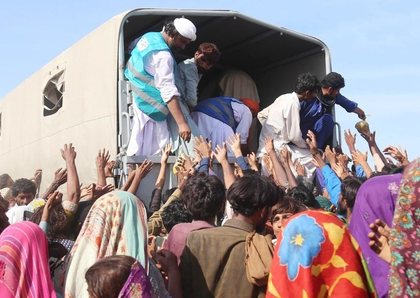
Islamabad, April 29 A new United Nations-report has named Pakistan among 10 nations where acute food insecurity is concentrated. The concentration of food insecurity in Pakistan is due to deep-rooted weaknesses in the country's agriculture sector, rocked by repeated climate shocks and continuous economic fragility, a report has stated.
The Global Report on Food Crisis showcases that food insecurity in Pakistan is chronic rather than temporary or cyclical. However, as per the report, fewer people were classified in the most severe categories in 2025 compared to the previous year, indicated that emergency responses and some stabilisation in prices may have had an impact, according to an editorial in Pakistan's daily Dawn.
"A New UN-backed report has listed Pakistan among 10 countries where acute food insecurity is most concentrated. This finding may seem surprising for a country with a large agricultural base. But it should not be. Essentially, the concentration of food insecurity in Pakistan is the predictable outcome of the deep-rooted weaknesses in the country’s agriculture sector, rocked by repeated climate shocks and persistent economic fragility," an editorial in Dawn mentioned.
According to the report, more than 11 million people which include 9.3 million under "crisis" conditions and 1.7 million in "emergency" still facing acute food insecurity showcases a thin margin of resilience. Climate volatility continues to be a force multiplier. Crops have been damaged and rural livelihoods impacted due to recurrent floods and extreme weather events, leading to vulnerable populations getting pushed into a cycle of asset depletion and dependency.
These shocks have a compounding effect in Pakistan's provinces of Balochistan, Khyber Pakhtunkhwa and Sindh, where deprivation already limits access to healthcare, nutrition and clean water. Food insecurity is also impacting national economy of Pakistan, as per the editorial. A rising food import bill puts more pressure on an already strained external account. At the same time, a malnourished workforce impacts productivity and long-term growth.
The 2026 Global Report on Food Crises has named Pakistan alongside Afghanistan, Bangladesh, Congo, Myanmar, Nigeria, South Sudan, Sudan, Syria, and Yemen as the primary centres of acute hunger.
Pakistan also appears in the analysis of malnutrition risk pathways, showcasing vulnerabilities related to diet, healthcare access, water and sanitation, as well as disease. The report projects that inflation in Pakistan will increase to 6 per cent in 2026, putting additional pressure on the system, Dawn reported.
According to the report, Pakistan’s mention in the top 10 nations reflects the severity of need and expansion of data coverage. The analysis was extended from 43 rural districts in 2024 to 68 districts in 2025, covering areas of Balochistan, Khyber Pakhtunkhwa and Sindh, resulting in the share of Pakistan’s population included in the analysis increased from 16 per cent to 21 per cent, adding more than 14 million people.
Disclaimer: This post has been auto-published from an agency feed without any modifications to the text and has not been reviewed by an editor
Open in app