
Donald Trump’s ‘We’re Like Pirates’ Remark Sparks Diplomatic Row With Iran
By Lokmat Times Desk | Updated: May 3, 2026 08:48 IST2026-05-03T08:43:41+5:302026-05-03T08:48:12+5:30



Iran has strongly criticised US President Donald Trump after he compared American naval operations against Iranian vessels to piracy, ...
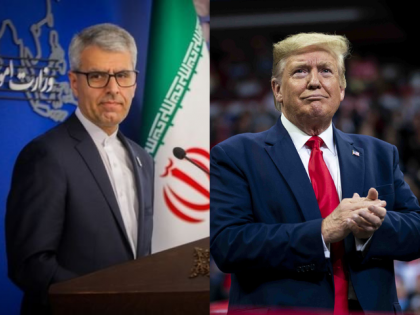
Donald Trump’s ‘We’re Like Pirates’ Remark Sparks Diplomatic Row With Iran
Iran has strongly criticised US President Donald Trump after he compared American naval operations against Iranian vessels to piracy, calling his comments a “clear confession of criminal conduct.” Tehran urged the United Nations to step in, saying the remarks openly justified illegal actions at sea. Iranian Foreign Ministry spokesperson Esmail Baghaei stated that Trump’s words were not accidental but a deliberate acknowledgement of unlawful maritime practices. According to Iran, the seizure of Iranian-linked ships violated international navigation laws and global maritime norms. Tehran also appealed to UN member nations and Secretary-General António Guterres to condemn efforts aimed at legitimising such actions.
The controversy erupted after Trump spoke about recent US naval operations targeting vessels connected to Iran during the ongoing Middle East conflict. Speaking on Friday, he described the actions as being “like pirates,” while defending the seizures as strategically and financially beneficial. Trump said the United States had taken control of ships, cargo and oil shipments linked to Iran, adding that Washington was “not playing games.” In recent days, US forces have intercepted several tankers and cargo ships allegedly associated with Tehran. The operations form part of Washington’s wider pressure campaign as tensions between Iran, Israel and the United States continue to intensify across the region.
Maritime tensions have sharply escalated alongside the broader military conflict in the Middle East. Iran has tightened restrictions on shipping movements through the Strait of Hormuz, one of the world’s most important energy transit routes, while the United States has enforced its own blockade measures targeting Iranian ports and vessels. The disruptions have severely affected global energy supply chains, as nearly 20 percent of the world’s oil and liquefied natural gas shipments pass through the strategic corridor. Analysts say the ongoing confrontation has increased uncertainty in international energy markets, leading to price volatility and growing concerns about the stability of global maritime trade routes.
The latest phase of the regional conflict began on February 28, when coordinated US and Israeli strikes targeted Iranian sites, triggering retaliatory attacks by Tehran against Israel and Gulf nations hosting American military bases. Since then, violence has spread across several areas, including Lebanon, resulting in heavy casualties and widespread displacement. Trump’s latest remarks have sparked criticism internationally, with legal experts and political observers questioning the legitimacy of some US military and naval actions during the conflict. Iran has continued to portray the American operations as violations of international law and is seeking broader global attention and scrutiny through diplomatic channels at the United Nations.
Open in app