
'India sees Taiwan as vital technology partner'
By IANS | Updated: December 16, 2025 14:35 IST2025-12-16T14:30:35+5:302025-12-16T14:35:27+5:30


New Delhi, Dec 16 India sees Taiwan as a vital technology partner as it is a leading chip ...
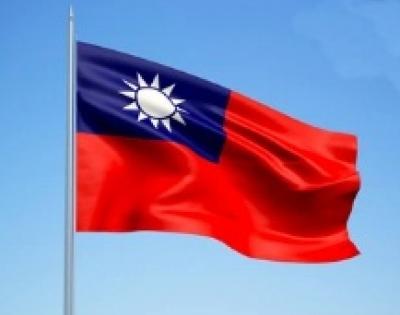
'India sees Taiwan as vital technology partner'
New Delhi, Dec 16 India sees Taiwan as a vital technology partner as it is a leading chip manufacturer, and cooperation in this sector offers a critical pathway for economic growth, technological advancement and strategic autonomy, a media report said.
The Indian government has courted major Taiwanese companies for several years, but awareness and engagement must expand across institutions, industries and policymaking circles, according to an article in the Taipei Times.
It highlights that a promising initiative already exists in the joint master’s program in semiconductor technology between four Taiwanese universities and the Indian Institute of Science. The program boosts links between Indian academia and Taiwan’s semiconductor ecosystem. Indian engineers and technology professionals should be encouraged to participate, ensuring the transfer of expertise and know-how that India urgently needs.
Beyond education, India should consider establishing a Taiwan science park. A dedicated facility of that nature would attract Taiwanese companies, facilitate structured and long-term collaboration, and provide a visible symbol of India’s commitment to advancing its technological and industrial capacity in partnership with Taiwan, the article stated.
It expressed the view that India must shed unnecessary caution and adopt a more confident and consistent approach to Taiwan. Consultations and dialogue should be elevated. Where unofficial channels already exist, Indian officials beyond senior levels should participate. Ministries responsible for economics, technology and trade must engage, with meetings conducted at least at the deputy minister level to ensure sustained and effective engagement. Parliamentary channels must be leveraged to advance Indian interests.
A dedicated parliamentary committee on Taiwan-India relations could provide continuity, oversight and strategic direction, ensuring that engagement is deliberate and long-term rather than ad hoc and reactive, the article further stated.
It criticises China’s increasing assertiveness, highlighting the incident of an Indian woman from Arunachal Pradesh being detained and harassed at a Shanghai airport, targeted solely because China claims her home state as its territory. That was followed by a statement from the Chinese Ministry of Foreign Affairs asserting that China has never recognised Arunachal Pradesh, which Beijing calls Zangnan.
The article observes that India cannot afford passivity in its dealings with China. This is not about confrontation. It is about asserting India’s priorities, protecting its sovereignty, safeguarding strategic interests and recalibrating its regional posture. If India continues to approach Taiwan with excessive caution, it risks losing critical opportunities to bolster its position in Asia’s evolving balance of power.
It also highlights that some Indian states have been engaging with Taiwan, which has produced positive results in terms of commercial and technological collaboration with Taiwan. However, beyond those pockets of progress, tangible outcomes remain limited.
Disclaimer: This post has been auto-published from an agency feed without any modifications to the text and has not been reviewed by an editor
Open in app