
Iran Foreign Minister Araghchi to visit Pakistan, Oman and Russia
By IANS | Updated: April 24, 2026 20:25 IST2026-04-24T20:21:23+5:302026-04-24T20:25:20+5:30



Tehran, April 24 Iranian Foreign Minister Seyed Abbas Araghchi will be travelling to Pakistan, Oman and Russia starting ...
Iran Foreign Minister Araghchi to visit Pakistan, Oman and Russia
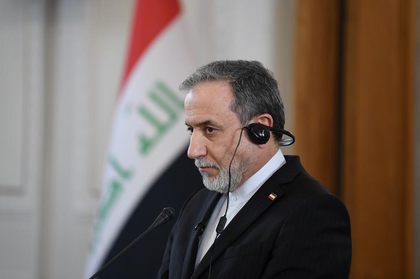
Tehran, April 24 Iranian Foreign Minister Seyed Abbas Araghchi will be travelling to Pakistan, Oman and Russia starting Friday night, local media reported.
Araghchi's visit is aimed to hold bilateral discussions on current developments in the region as well as the latest situation in the West Asia conflict, Iran's state-run Islamic Republic News Agency (IRNA) reported.
Earlier in the day, Araghchi held telephonic conversation with Pakistan's Deputy Prime Minister Ishaq Dar, with discussions focused on regional developments and the ceasefire.
Araghchi's visit to Pakistan comes after US President Donald Trump signalled that the United States could resume military action against Iran if negotiations fail, while insisting he is in “no rush” to conclude a deal after weeks of conflict.
“I could make a deal right now… but I want to have an everlasting,” Trump said, adding that he would “finish it up militarily with the other 25 per cent of the targets” if Tehran refuses to agree.
His remarks came amid a fragile pause in hostilities following a US-led military campaign that Trump said had already “totally defeated their military” within weeks.
“We’ve hit about 75 per cent of our targets,” he said, describing damage to Iran’s naval, air and missile capabilities.
Trump said Washington retains “total control” over the strategically vital Strait of Hormuz and has kept it effectively closed to pressure Iran economically. “If we open the strait, that means they’re going to make $500 million a day. I don’t want them to make $500 million a day until they settle this thing,” he said.
The US President indicated that Tehran’s leadership remains unstable following sustained strikes. “They don’t even know who is leading the country… they’re fighting like cats and dogs for who’s going to control,” he said.
Despite earlier suggesting the conflict could end within four to six weeks, Trump declined to set a timeline for a resolution. “I don’t want to rush it… we have plenty of time,” he said, arguing that Iran is under greater pressure due to economic strain and disrupted oil flows.
The first round of US-Iran talks, held in Islamabad on April 11-12 with the aim of ending the conflict in West Asia, collapsed after 21 hours of negotiations. The second round of talks between the two nations were not held after Iran's refusal to commit to participating in the negotiations.
Disclaimer: This post has been auto-published from an agency feed without any modifications to the text and has not been reviewed by an editor
Open in app