
Iran plans EUR50m bounty for "whoever sends Trump, Netanyahu to hell": Reports
By ANI | Updated: May 19, 2026 15:45 IST2026-05-19T21:13:17+5:302026-05-19T15:45:15+5:30



Tehran [Iran], May 19 : In a volatile escalation of Middle Eastern geopolitical friction, lawmakers in Tehran are actively ...
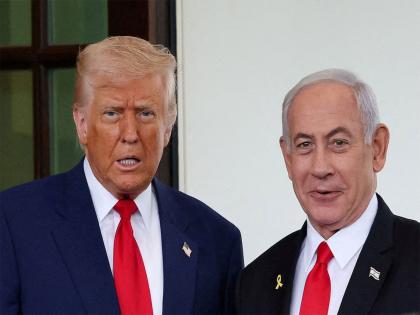
Iran plans EUR50m bounty for "whoever sends Trump, Netanyahu to hell": Reports
Tehran [Iran], May 19 : In a volatile escalation of Middle Eastern geopolitical friction, lawmakers in Tehran are actively debating new statutory measures aimed at orchestrating the assassination of top American and Israeli leaders. The legislative push comes as tensions hit a boiling point in the wake of devastating military strikes in February that resulted in the death of Iran's Supreme Leader, Ayatollah Ali Khamenei.
According to reports by The Telegraph UK, Ebrahim Azizi, the chairman of Iran's national security commission, revealed that legislators are currently drafting a bill titled "Reciprocal Action by Military and Security Forces of the Islamic Republic". Azizi noted that the primary objective of this specific draft legislation is to formalise a Euro 50 million reward for anyone who kills Trump.
Elaborating further on the state's targets, Azizi asserted that Tehran holds Donald Trump, Benjamin Netanyahu, and Admiral Brad Cooper of US Central Command directly accountable for the February 28 strike that killed Khamenei. Because of this alleged complicity, the high-ranking Iranian official insisted that the targeted Western figures must face "confrontation and reciprocal action".
According to Mahmoud Nabavian, the deputy chairman of the Iranian Parliament's National Security Committee, this impending legal framework represents a massive structural shift in how Tehran handles its adversaries.
Issuing a sweeping threat to the wider region, Nabavian warned that any subsequent military manoeuvres directed at Iran or its core leadership would trigger swift retaliatory strikes. The parliamentary leader made it clear that these counter-attacks would not merely focus on the United States and Israel but would also expand to strike regional Arab governments aligned with them.
Venting his fury on social media regarding international pressure, Nabavian wrote on X: "Threats against the Supreme Leader and military commanders have again been heard from the filthy mouths of some enemy officials."
Public demands for severe kinetic action against Trump have broken out continuously across Iran over the past several years. This deep-seated hostility was originally inflamed by the targeted killing of high-profile Iranian commander Qassem Soleimani and has been violently refreshed by the recent death of Khamenei.
This state-level enmity has extended simultaneously into the cyber domain. As reported by Iran Wire, an independent digital outlet, a notorious hacking group known as "Handala" had also claimed to allocate USD 50 million for the "elimination" of Trump and Netanyahu.
The explosive rhetoric has already drawn devastating ultimatums from the White House. Earlier this year, Trump issued a severe counter-warning to Tehran, stating unequivocally that if Iran attempted to carry out threats against him, the United States would "wipe them off the face of the Earth".
Even as these aggressive legislative bounties are debated on the parliament floor, quiet backchannel diplomacy is reportedly still operational. Iranian Foreign Ministry spokesman Esmaeil Baghaei explicitly stated that indirect negotiations with Washington were continuing. Baghaei added that peace talks brokered through Pakistan were progressing, with multiple rounds of proposals exchanged between the two sides.
According to various Iranian media reports, the framework for these ongoing talks features heavy concessions demanded by both sides. The United States has laid down conditions that include handing over enriched uranium stockpiles, limiting Iran's nuclear infrastructure, and maintaining a ceasefire tied to continued negotiations.
Conversely, Tehran's counter-proposals focus entirely on relief from economic strangulation and securing regional dominance. According to the same Iranian media reports, Iran's demands include lifting sanctions, releasing frozen assets, ending military operations across the region, and recognition of Iranian sovereignty over the Strait of Hormuz.
The desperate push for sanctions relief comes as Iran grapples with the physical fallout of recent conflicts. Iranian President Masoud Pezeshkian openly acknowledged severe war damage to gas facilities, power plants, and industrial infrastructure. Emphasising the catastrophic stakes of the current economic standoff, former Revolutionary Guards commander Mohsen Rezaei warned that any continuation of the blockade would amount to "a continuation of war".
Despite the faint glimmer of diplomatic talks, fears of a catastrophic return to open warfare continue to mount globally. According to The Telegraph UK, speculation regarding a major military offensive intensified significantly after Netanyahu was allowed to skip his criminal trial to attend "all-day security meetings", a move that strongly indicates Israel is preparing for an imminent operational response.
Disclaimer: This post has been auto-published from an agency feed without any modifications to the text and has not been reviewed by an editor
Open in app