
NATO chief flags "discussions about Iran" and securing the Strait of Hormuz as dominating global priorities
By ANI | Updated: May 12, 2026 23:10 IST2026-05-13T04:35:43+5:302026-05-12T23:10:17+5:30



Podgorica [Montenegro], May 12 : NATO Secretary General Mark Rutte has expressed profound confidence in the long-term trajectory of ...
NATO chief flags "discussions about Iran" and securing the Strait of Hormuz as dominating global priorities
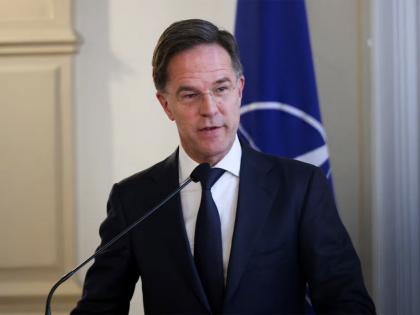
Podgorica [Montenegro], May 12 : NATO Secretary General Mark Rutte has expressed profound confidence in the long-term trajectory of the military alliance, though he acknowledged that the escalating crisis involving Iran is currently at the forefront of the global security agenda.
According to a report by Al Jazeera, the NATO Secretary General noted that immediate tactical concerns are centred on maritime security and regional stability.
"When you look at the short term, of course, there are discussions about Iran, and how we make sure that allies in Europe will be able to help with situations in the Strait of Hormuz," Rutte observed during a press conference in Montenegro.
The discussions come amidst heightened tensions in the Middle East, with NATO members weighing their roles in safeguarding vital trade corridors. As highlighted by Al Jazeera, the alliance is increasingly focused on the collective responsibility of its European members to manage regional flashpoints.
Despite these immediate geopolitical hurdles, Rutte remains bullish on the bloc's internal health and financial commitment. "When it comes to the more fundamental question of NATO's future, I'm extremely optimistic," he remarked, pointing towards the significant pledges made by European allies and Canada to bolster their defence spending.
This optimism is being tested as the strategic Strait of Hormuz emerges as the central theatre of the escalating confrontation between the United States and Iran. Dwindling tanker traffic indicates that Tehran may be tightening its grip on the vital maritime corridor, which remains in a state of high alert. The volatility follows Tehran's near-complete shutdown of the trade route, a move triggered by joint Israeli-US airstrikes on 28 February and the subsequent retaliatory naval blockade enforced by the US last month.
The diplomatic friction has reached the highest levels of governance, with US President Donald Trump asserting that the fragile ceasefire between Washington and Tehran is currently "on massive life support." Lashing out at Iran's reaction to the peace framework, the President labelled Tehran's formal response as "stupid" and alleged that the Iranian leadership has been inconsistent throughout the diplomatic process.
Reflecting on the breakdown of trust, Trump remarked, "I think it's very possible. I've had a deal with them four or five times, they change their mind," further characterising the Iranian administration as "very dishonourable." He also bluntly discarded Tehran's 14-point feedback on the peace initiative, describing it as a "piece of garbage."
Tehran has categorically dismissed these allegations, further deepening the rift. Foreign Ministry spokesperson Nasser Kanaani countered that Washington persists in making "unreasonable demands" and insisted that Iran's diplomatic stance "was not excessive." This latest war of words has intensified the atmosphere of uncertainty, casting a shadow over international efforts to avert a full-scale regional conflagration.
Disclaimer: This post has been auto-published from an agency feed without any modifications to the text and has not been reviewed by an editor
Open in app