
Pakistan’s Afghan deportation policy sparks global outcry: Report
By IANS | Updated: April 18, 2026 21:30 IST2026-04-18T21:26:22+5:302026-04-18T21:30:47+5:30



London, April 18 Pakistan’s Illegal Foreigners Repatriation Plan (IFRP) reflects state-led refoulement on an industrial scale, prioritising political ...
Pakistan’s Afghan deportation policy sparks global outcry: Report
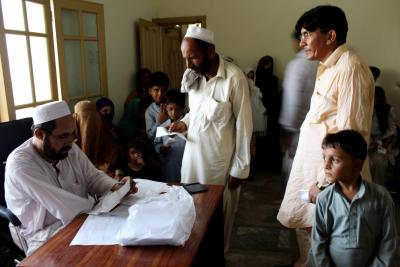
London, April 18 Pakistan’s Illegal Foreigners Repatriation Plan (IFRP) reflects state-led refoulement on an industrial scale, prioritising political expediency over human lives, displacing more than two million Afghan refugees, shattering communities, violating international norms, and deepening Afghanistan's humanitarian crisis, a report highlighted on Saturday.
“Pakistan’s Illegal Foreigners Repatriation Plan (IFRP), launched in October 2023, has evolved into one of the world’s largest and most criticised forced deportation campaigns, targetting Afghan refugees who have lived in the country for decades.
“International human rights organisations and the United Nations have repeatedly condemned the plan as opaque, indiscriminate, and in violation of the principle of non-refoulement, which prohibits returning refugees to places where they face serious risks," it added.
The report noted that by February 2026, a one-year assessment found that over one million Afghans, including many undocumented, had been deported despite limited access to resources and services.
Amnesty International has condemned the IFRP, citing “illegality and inhumanity”. In March 2025, the organisation called for withdrawal of the plan, warning that vague executive orders demonise Afghans as “criminals and terrorists" while ignoring their refugee status and risks they face under Taliban rule in Afghanistan.
“The policy breaches non-refoulement by sending people back to persecution, torture, or indiscriminate violence, contravening the 1951 Refugee Convention, the International Covenant on Civil and Political Rights, and customary international law. Amnesty documented forced relocations even within Pakistan, for instance, moving Proof of Registration (PoR) holders from Islamabad and Rawalpindi by 31 March 2025, which upended homes, businesses, and communities for families resident for decades,” the report mentioned.
According to the report, returnees have alleged police extortion, beatings, and arbitrary arrests during night raids, with families often paying bribes to avoid detention.
In the second phase beginning April 2025, 230,500 Afghans returned, including 42,800 deportees, of whom 70 per cent were undocumented, 19 per cent Afghan Citizen Card holders, and 11 per cent Proof of Registration card holders.
The report stressed that women and children bore the brunt of the crisis facing family separation, lack of shelter upon return, and the risk of Taliban reprisals for perceived links with Pakistani authorities.
Highlighting Pakistan’s crackdown on Afghan refugees, the report further said, “The international community has responded with concern but limited leverage. UNHCR has scaled up border monitoring and aid but urged Pakistan to halt forced returns and renew registrations for 1.4 million at risk. Western donors, funding much of Pakistan’s economy, have called for humane treatment, yet economic pressures mute stronger action.”
Disclaimer: This post has been auto-published from an agency feed without any modifications to the text and has not been reviewed by an editor
Open in app