
Rising living costs persist despite official claims of economic stability in Pakistan
By ANI | Updated: December 27, 2025 13:10 IST2025-12-27T13:08:16+5:302025-12-27T13:10:07+5:30


Lahore [Pakistan] December 27 : Despite government claims of economic stabilisation, the reality for millions of Pakistanis over the ...
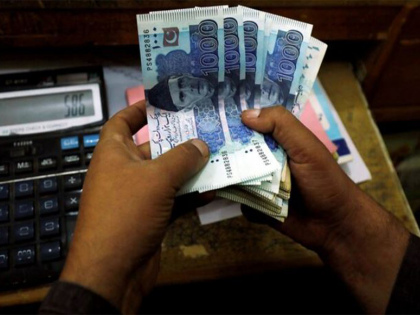
Rising living costs persist despite official claims of economic stability in Pakistan
Lahore [Pakistan] December 27 : Despite government claims of economic stabilisation, the reality for millions of Pakistanis over the past year tells a far more troubling story. While official data suggests inflation has eased, everyday expenses continue to rise sharply, squeezing household budgets across the country, as reported by The Express Tribune.
According to The Express Tribune, Authorities have highlighted a drop in headline inflation to around 7.4 per cent as evidence of economic recovery. However, market prices paint a different picture. Essential goods, including food, fuel, and utilities, remain unaffordable for a large segment of the population.
Persistent currency depreciation, higher fuel costs, and climate-related supply disruptions have sustained inflationary pressures, undermining claims of stability. Although the government announced a 10 per cent salary increase for public sector employees, critics argue that the relief has had a limited impact.
Nearly 40 per cent of Pakistan's population continues to live in extreme poverty, while another 40 per cent struggles just above the poverty line. With per capita income hovering around $4 per day, purchasing power has steadily eroded, making basic survival increasingly difficult.
Muhammad Saleem, a government employee, stated that the modest pay hike failed to offset the rising household costs. "Expenses keep climbing, but incomes remain stagnant," he said.
Meanwhile, private-sector workers and daily wage earners have received no financial relief. Homemaker Kiran Ejaz echoed similar concerns, noting that even PKR 1,500 a day is no longer sufficient to prepare two meals for a family.
Economist Dr Qais Aslam attributed the persistent price pressures to multiple factors, including supply chain disruptions, increased import costs, recurring climate shocks, and reduced agricultural output.
He explained that a slowdown in inflation does not translate into lower prices; rather, it indicates that prices are rising at a slower pace from an already high level, as reported by The Express Tribune.
Data from 2025 further highlights the crisis. Prices of vegetables, pulses and fruits have surged sharply compared to the previous year, turning basic food items into luxuries for many households.
Staples such as lentils, onions, and tomatoes have experienced steep increases, while fruits have become largely unaffordable for middle-income families, as reported by The Express Tribune.
Disclaimer: This post has been auto-published from an agency feed without any modifications to the text and has not been reviewed by an editor
Open in app