
What Is Reverse Parenting? Why This New Parenting Pattern Is Gaining Attention
By Lokmat Times Desk | Updated: February 23, 2026 18:02 IST2026-02-23T18:01:38+5:302026-02-23T18:02:29+5:30



In today’s rapidly evolving world, the traditional family structure is undergoing a significant transformation. Earlier, parents were the primary ...
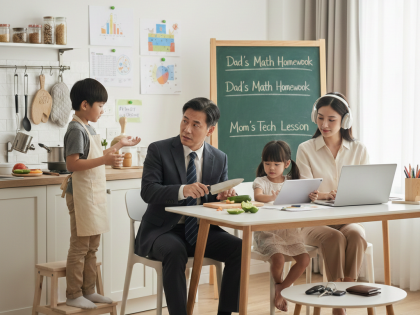
What Is Reverse Parenting? Why This New Parenting Pattern Is Gaining Attention
In today’s rapidly evolving world, the traditional family structure is undergoing a significant transformation. Earlier, parents were the primary caregivers who nurtured their children, fulfilled their needs, and guided them in shaping their future. However, this dynamic is gradually shifting in many households. Particularly in China, a new concept called reverse parenting is gaining widespread attention. The term has gone viral on social media platforms and is redefining ideas about family roles, responsibility, and relationships. This emerging pattern raises important questions about changing generational dynamics and how emotional roles within families are being restructured in modern society.
Reverse parenting refers to a situation in which children begin to take on the emotional, psychological, or sometimes even financial responsibilities of their parents. In this arrangement, children step into roles that are traditionally fulfilled by adults. They offer comfort, provide advice, and guide their parents through personal decisions. Often, they help manage their parents’ stress and emotional struggles. Instead of being dependent, children become a source of strength and reassurance. This shift does not necessarily mean authority changes completely, but it reflects a reversal in emotional dependency and highlights a new pattern of interaction within families.
The growing popularity of reverse parenting in China can be linked to multiple social and economic factors. The country’s fast-paced lifestyle and intense work culture have placed immense pressure on adults. Long working hours and constant competition leave many parents emotionally drained. As a result, children increasingly become emotional companions and supporters at home. The impact of the former One Child Policy has also played a role, as single children often carry the full weight of parental expectations and family responsibilities. Over time, these children naturally evolve into emotional pillars within their households.
Another major factor contributing to this trend is increased awareness of mental health among younger generations. Today’s youth are more open to discussing psychological well-being and self-care. They encourage their parents to seek counseling, adopt healthier lifestyles, or practice relaxation techniques. In many cases, parents begin seeking advice from their children regarding careers, finances, or personal challenges. They openly share worries and rely on their children for reassurance. This dependence can sometimes make parents appear emotionally vulnerable, expecting understanding and mental support from their sons or daughters.
Also Read: Jindal Polo Estate Cup set to ignite in Noida from February 24
Reverse parenting cannot be labeled entirely right or wrong, as it carries both advantages and risks. On the positive side, it promotes open communication within families and helps children become responsible and empathetic individuals. It can also strengthen bonds by creating a more friendly and transparent relationship between parents and children. However, there are drawbacks. Children may experience emotional burden or stress beyond their age. Their childhood innocence may fade prematurely, and emotional imbalance could develop if responsibilities are not properly managed.
Maintaining balance is therefore essential in such evolving family structures. Parents should communicate openly with their children but avoid placing the full weight of their emotional struggles on them. Seeking professional counseling when necessary can prevent unhealthy dependence. Responsibilities given to children must match their age and maturity level. Families should foster a supportive environment while clearly defining roles to avoid confusion. Reverse parenting reflects how today’s children are more aware and emotionally intelligent than before, but preserving balance within relationships remains crucial for long-term well-being.
Open in app