
Centre to spend Rs 37,952 crore on fertiliser subsidy for farmers in current rabi season
By IANS | Updated: January 5, 2026 13:30 IST2026-01-05T13:25:01+5:302026-01-05T13:30:09+5:30


New Delhi, Jan 5 The government’s tentative budgetary requirement to meet the subsidy cost for the ongoing Rabi ...
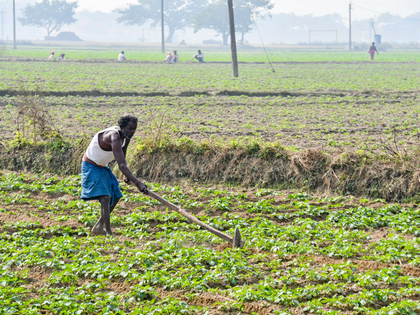
Centre to spend Rs 37,952 crore on fertiliser subsidy for farmers in current rabi season
New Delhi, Jan 5 The government’s tentative budgetary requirement to meet the subsidy cost for the ongoing Rabi 2025–26 season is approximately Rs 37,952 crore, about Rs 736 crore higher than the budgetary requirement for the Kharif 2025 season, according to an official statement issued on Monday.
The government approved the nutrient-based subsidy (NBS) rates for Rabi 2025–26, effective from October 1, 2025, to March 31, 2026, covering Phosphatic and Potassic (P&K) fertilisers, including DAP and NPKS grades.
The Centre’s nutrient-based subsidy scheme for the agricultural sector has resulted in a robust 50 per cent growth in domestic fertiliser production from 112.19 lakh metric tonnes (LMT) in 2014 to 168.55 LMT in 2025,
Over Rs 2.04 lakh crore allocated between 2022–23 and 2024-25 towards NBS subsidies has ensured affordable access to fertilisers for farmers.
The NBS scheme has emerged as a cornerstone of India’s fertiliser policy, promoting balanced fertilization, soil health, and sustainable agriculture. The digitalisation of monitoring through the Integrated Fertilizer Management System (iFMS) and regular coordination with states has enhanced transparency, accountability, and timely supply across regions, the statement explained.
The NBS scheme has not only driven growth in domestic fertiliser production but also contributed to higher foodgrain productivity, improved soil nutrient balance, and strengthened self-reliance in the fertiliser sector, the statement said.
The Government of India introduced the NBS scheme, effective from April 1, 2010. The scheme represented a significant policy shift in the fertiliser sector, designed to make fertilisers available to farmers at subsidized, affordable, and fair prices, while simultaneously encouraging their balanced and efficient use.
Under the NBS framework, subsidies are determined based on the nutrient content of fertilisers, primarily NPKS: Nitrogen (N), Phosphorus (P), Potassium (K), and Sulphur (S). This approach not only encourages balanced nutrient application but also empowers farmers to make informed choices that align with the specific needs of their soil and crops.
Disclaimer: This post has been auto-published from an agency feed without any modifications to the text and has not been reviewed by an editor
Open in app