
Mumbai civic polls: Thackeray cousins’ Marathi pride vs BJP-Shiv Sena’s global city vision
By IANS | Updated: January 5, 2026 12:35 IST2026-01-05T12:31:47+5:302026-01-05T12:35:07+5:30



Mumbai, Jan 5 As the Brihanmumbai Municipal Corporation (BMC) elections scheduled for January 15 draw closer, the political ...
Mumbai civic polls: Thackeray cousins’ Marathi pride vs BJP-Shiv Sena’s global city vision
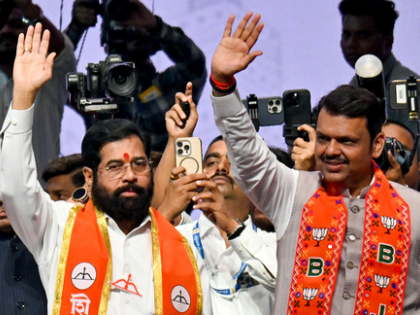
Mumbai, Jan 5 As the Brihanmumbai Municipal Corporation (BMC) elections scheduled for January 15 draw closer, the political contest for Mumbai has sharply intensified.
The Thackeray cousins -- Uddhav Thackeray and MNS chief Raj Thackeray -- on Sunday released a joint Vachan Nama (manifesto), signalling a rare show of unity. In response, the Bharatiya Janata Party (BJP) unveiled an “Aarop Patra” (charge sheet), alleging large-scale corruption during the Thackeray-led administration’s 25-year control of the BMC.
The Thackeray camp has framed the election around a “Save Democracy” narrative, alleging “vote theft” through unopposed victories and appealing to the idealism of young voters. In contrast, the BJP has launched digital “Aarop” campaigns portraying the existing BMC structure as outdated and corrupt, arguing that it obstructs Mumbai’s transformation into a “Global City” that the youth aspire to.
For the first time in nearly two decades, Shiv Sena (UBT) and the Maharashtra Navnirman Sena (MNS), along with the Nationalist Congress Party (Sharadchandra Pawar), have presented a unified vision for Mumbai under the slogan “Shabd Thackerencha” (word of the Thackerays).
Their manifesto includes a range of welfare promises such as the Swabhiman Nidhi -- a monthly allowance of Rs 1,500 for domestic workers and Koli women -- construction of one lakh affordable homes within five years, the creation of a dedicated BMC Housing Authority, 100 units of free electricity for residential users through BEST, subsidised meals at Rs 10 for breakfast and lunch, reduction of minimum bus fare to Rs 5, employment allowance and interest-free loans for gig workers, and the establishment of five new medical colleges.
The Vachan Nama also explicitly calls for a “Marathi Mayor” and asserts that Mumbai’s land should primarily be reserved for “Mumbaikars.”
Meanwhile, the BJP’s Aarop Patra alleges a corruption scam amounting to Rs 3 lakh crore over the past 25 years of Thackeray-led governance in the BMC. The party claimed that despite spending Rs 21,000 crore on road construction over a decade, Mumbai continues to suffer from severe pothole issues.
The BJP further alleged irregularities during the COVID-19 pandemic, including the so-called “Body Bag Scam,” where body bags were allegedly procured at Rs 6,721 each despite costing around Rs 1,500, and discrepancies in oxygen plant installations worth Rs 320 crore. It also claimed that approximately 1,700 bar and restaurant owners were subjected to extortion during the Maha Vikas Aghadi tenure.
The BJP accused the Thackeray camp of insincere commitment to the Marathi language, citing a 70 per cent decline in Marathi-medium students and the closure of 114 BMC-run Marathi schools.
While the Thackeray cousins emphasise “Marathi pride,” the BJP maintains that major infrastructure projects such as the Coastal Road and Mumbai Metro were completed only due to the efforts of Chief Minister Devendra Fadnavis and the Centre.
Political observers note that the Thackerays try to build a combined appeal of “social security” and “identity.”
The reunion of Thackerays has also created a strong visual and emotional impact, projecting a “united family” image intended to counter the BJP’s organisational strength. Welfare promises, including free electricity and subsidised meals, are seen as key strategies to attract slum dwellers and chawl residents.
Observers argue that the BJP’s charge sheet strategy is designed to focus on “performance and accountability,” targeting the tax-paying middle class by alleging misuse of public funds under the previous regime. The party is positioning itself as the only force capable of modernising Mumbai, highlighting the rapid execution of infrastructure projects under the current Mahayuti government while contrasting them with what it describes as “25 years of failure.”
Disclaimer: This post has been auto-published from an agency feed without any modifications to the text and has not been reviewed by an editor
Open in app