
Pakistan’s textile industry plunges into deep crisis: Report
By IANS | Updated: January 1, 2026 14:25 IST2026-01-01T14:21:40+5:302026-01-01T14:25:06+5:30


New Delhi, Jan 1 Pakistan’s textile industry, which was once the driver of economic growth in the country, ...
Pakistan’s textile industry plunges into deep crisis: Report
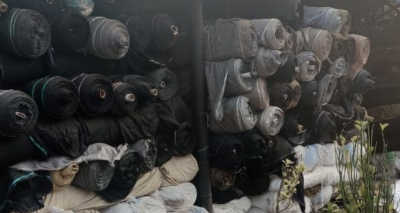
New Delhi, Jan 1 Pakistan’s textile industry, which was once the driver of economic growth in the country, has plunged into a deep crisis with factories shutting down due to high production costs.
"Once celebrated for its export potential and capacity to drive industrial growth, Pakistan’s textile sector is now grappling with a convergence of structural, economic, and logistical shocks that have eroded competitiveness, shuttered factories, and destabilised livelihoods across the value chain. From collapsing cotton production to soaring energy costs, from regional competition to policy missteps, and now a nationwide transport strike, the industry stands at a critical inflection point," a report in the UK’s Daily Mirror said.
The Pakistan Textile Exporters Association (PTEA) has pointed out that textile exports have declined for the fourth month in a row, raising concerns about the sector’s long-term viability.
The article cites PTEA General Secretary Azizullah Goheer saying that Pakistan has failed to surpass, or even maintain, the FY2021 export benchmark of $19.3 billion. Instead, exports slipped to $18 billion, then $17 billion, and continue to fall. Between July and November 2025 alone, exports dropped by 6.39 per cent, from $13.721 billion to $12.844 billion, signalling a persistent downward trajectory.
Pakistan’s textile sector is losing ground to regional competitors as the high cost of energy tariffs, taxes, and financing costs has hit the country’s competitiveness. Exporters have pointed out that Bangladesh, India, China, and Vietnam have all gained market share at the cost of Pakistan, as they have lower production costs and the governments of these countries have put more stable policies in place.
"At the heart of the crisis lies the collapse of Pakistan’s cotton economy. Outdated agricultural practices, poor seed quality, and inadequate research investment have led to a dramatic decline in cotton production and quality," the article stated.
According to the Pakistan Cotton Ginners Forum Chairman, Ihsanul Haq, more than 100 spinning mills and 400 ginning factories have already shut down. National cotton output has fallen from 15 million bales to 5.5 million bales.
"Cotton prices have crashed to Rs 8,000 per 40 kg, pushing farmers into financial distress and accelerating the shift from cotton to sugarcane cultivation. This shift threatens to increase Pakistan’s reliance on edible oil imports, further straining foreign exchange reserves," the report states.
The ginning sector is reported to be struggling under a hefty 86 per cent combined sales tax on cotton, cottonseed, oil, and oilcake. Meanwhile, textile units are being asked to clear decade-old gas dues, compounding liquidity pressures. The situation has been worsened by recent amendments to the Export Facilitation Scheme (EFS), which have resulted in exporters having to pay more taxes.
Energy costs are a major burden, with electricity tariffs projected to reach 12 cents per kWh by FY26, which is much higher than the 5–9 cents per kWh paid by competitors in the region. Exporters claim that this disparity alone makes Pakistani textiles uncompetitive in global markets. Frequent power outages, voltage fluctuations, and grid instability, which damage machinery and disrupt production schedules, are adding to the problem.
Disclaimer: This post has been auto-published from an agency feed without any modifications to the text and has not been reviewed by an editor
Open in app