
Ravinder Singh Khera’s Ground-Level Engagement Reflects Shift in Kharar’s Local Outreach Efforts
By Impact Desk | Updated: March 20, 2026 21:53 IST2026-03-20T21:53:06+5:302026-03-20T21:53:42+5:30



In Punjab’s Kharar region, on-ground engagement is becoming a more visible feature of local outreach efforts, reflecting a shift ...
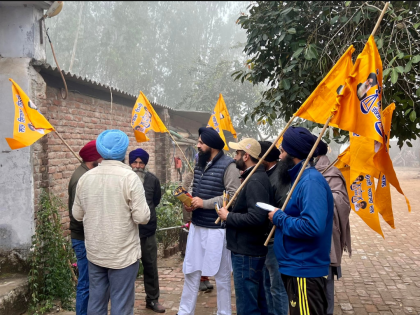
Ravinder Singh Khera’s Ground-Level Engagement Reflects Shift in Kharar’s Local Outreach Efforts
In Punjab’s Kharar region, on-ground engagement is becoming a more visible feature of local outreach efforts, reflecting a shift toward direct interaction over broad-based messaging.
Among those involved in such initiatives is Ravinder Singh Khera, who has been participating in a series of village visits and small-format community meetings across the constituency. These interactions, often informal in nature, are centered around understanding day-to-day concerns raised by residents.
Discussions during these engagements have touched on a range of recurring issues, including agricultural constraints, employment opportunities for younger populations, and basic infrastructure gaps. The format allows for more detailed exchanges, particularly in smaller group settings where residents are more likely to articulate specific challenges.
Observers tracking local outreach patterns note that such approaches are indicative of a broader recalibration in how public-facing initiatives are being conducted at the constituency level. There is a visible move toward frequency and proximity, with emphasis on sustained presence rather than periodic visibility.
Youth participation has also featured in these efforts, primarily through volunteer-led coordination and localized awareness activities. This points to a gradual increase in involvement at the community level, particularly among first-time participants in such initiatives.
Outreach has extended across both rural and semi-urban clusters, including interactions with small traders, families, and community groups. This wider spread of engagement offers a more layered view of local concerns, cutting across economic and demographic segments.
While the long-term impact of such engagement models remains to be seen, the current approach underscores a growing reliance on direct, ground-level interaction as a core component of local outreach in the region
