
Stalin burns copy of delimitation bill, raises black flag outside his residence
By IANS | Updated: April 16, 2026 09:20 IST2026-04-16T09:17:46+5:302026-04-16T09:20:12+5:30



Namakkal, April 16 Tamil Nadu Chief Minister M.K. Stalin on Thursday intensified his opposition to the Centre’s proposed ...
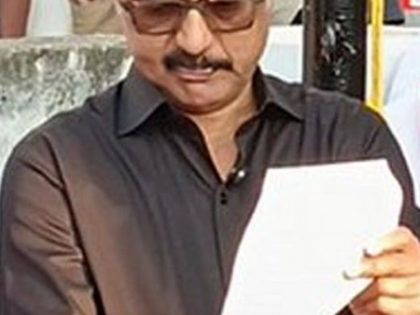
Stalin burns copy of delimitation bill, raises black flag outside his residence
Namakkal, April 16 Tamil Nadu Chief Minister M.K. Stalin on Thursday intensified his opposition to the Centre’s proposed delimitation exercise by symbolically burning a copy of the delimitation bill and raising a black flag.
Leading from the front, Stalin burned the proposed delimitation bill in Namakkal, where he also hoisted a black flag as part of the statewide protest he had called for.
The Chief Minister had earlier urged people across Tamil Nadu to raise black flags atop their homes to register their dissent, describing the proposed legislation as a “black law” that threatens the state’s political representation.
In a parallel symbolic gesture, a black flag was also hoisted outside Stalin’s residence in Chennai.
According to the Dravida Munnetra Kazhagam (DMK), this was meant to reinforce the party’s strong opposition and encourage widespread public participation.
The protest coincides with the special session of Parliament scheduled from April 16 to 18, during which the Union government is expected to introduce key legislation, including the Constitution (131st Amendment) Bill, the Delimitation Bill, and amendments related to Union Territories. The proposed measures seek to redraw parliamentary constituencies and facilitate the implementation of 33 per cent reservation for women in the Lok Sabha.
Currently, the composition of the Lok Sabha is based on the 1971 Census, with 543 elected members out of a maximum strength of 550.
With India’s population having grown significantly since then, the Centre plans to undertake a fresh delimitation exercise. As per the proposal, the strength of the Lok Sabha could be increased to around 850 members, including about 35 seats for Union Territories.
The reforms are also linked to the implementation of women’s reservation ahead of the 2029 general elections, potentially reserving around 280 seats.
Meanwhile, Stalin also continued his election campaign in Namakkal district ahead of the April 23 Assembly polls, where voting will take place across Tamil Nadu, with counting scheduled for May 4.
He held a roadshow near the Namakkal Uzhavar Sandhai area, campaigning alongside DMK candidate Rani and interacting with farmers, traders, and the public while seeking votes for the party’s ‘Rising Sun’ symbol.
The move has drawn strong opposition from southern states, particularly Tamil Nadu, over fears that a population-based redistribution of seats would favour northern states and dilute the representation of states that have effectively controlled population growth.
Calling it a threat to federal balance, Stalin reiterated that Tamil Nadu would strongly resist any attempt to alter representation in a manner that disadvantages the State.
The black flag protests across Tamil Nadu are being seen as a coordinated show of dissent as Parliament begins deliberations on the contentious bills.
Disclaimer: This post has been auto-published from an agency feed without any modifications to the text and has not been reviewed by an editor
Open in app