
"No lawyer will appear, no hope for justice, only Satyagraha left'': Manish Sisodia writes to Delhi HC
By ANI | Updated: April 28, 2026 09:40 IST2026-04-28T15:07:29+5:302026-04-28T09:40:07+5:30



New Delhi [India], April 28 : After AAP national convenor Arvind Kejriwal, senior party leader Manish Sisodia has also ...
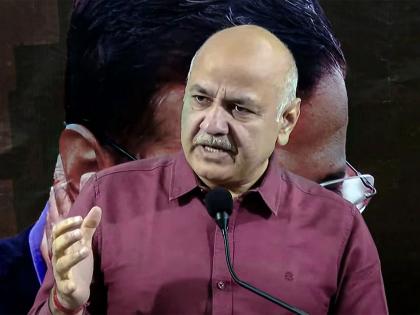
"No lawyer will appear, no hope for justice, only Satyagraha left'': Manish Sisodia writes to Delhi HC
New Delhi [India], April 28 : After AAP national convenor Arvind Kejriwal, senior party leader Manish Sisodia has also written a letter to Justice Swarnkanta, stating that he will not be represented by any lawyer in the matter and expressing a lack of faith in getting justice.
"From my side as well, no lawyer will appear. The future of your children is in the hands of Tushar Mehta ji. In such a situation, I do not expect justice from you. I have no option left except Satyagraha," Sisodia said in his letter, according to party sources.
The development comes after Kejriwal had earlier written a similar letter, raising concerns over the legal proceedings. The Aam Aadmi Party (AAP) has maintained its stance on the issue, alleging bias in the process.
The letter, addressed with what Kejriwal describes as "utmost respect" to both the judge and the institution of the judiciary, states that his decision is rooted not in defiance but in conscience. He emphasises that his faith in the judiciary as an institution remains intact, even as he raises apprehensions about fairness in the present case.
The development comes shortly after the Delhi High Court dismissed Kejriwal's plea seeking the recusal of Justice Sharma. In its ruling, the Court held that the allegations did not meet the legal threshold of a reasonable apprehension of bias and were based on conjecture rather than evidence.
The Court underscored that "the courtroom cannot become a theatre of perception," cautioning against attempts to question judicial impartiality without substantive material. It further observed that allowing such pleas could undermine institutional credibility and set an undesirable precedent.
Rejecting the arguments, the Court clarified that a judge cannot be asked to recuse merely on the basis of perceived bias, particularly when no direct conflict of interest is established. It also noted that judicial competence is assessed by higher courts, not litigants, and that participation in professional or public events does not compromise impartiality.
In his letter, Kejriwal reiterated concerns that were earlier raised in his recusal application. He referred to what he describes as the judge's association with certain legal organisations and raised questions about potential conflict of interest arising from her children being empanelled as counsel for the Union Government.
He further pointed to the role of the Solicitor General in assigning cases to panel lawyers and highlighted figures related to case allocations, suggesting that these factors could give rise to a perception of bias in a politically sensitive matter.
The letter also states that the language used in the High Court's order dismissing the recusal plea has contributed to his apprehension. According to Kejriwal, the characterisation of his plea as an "attack" on the judiciary has made it difficult for him to believe that the matter can now be heard on a "clean slate."
Disclaimer: This post has been auto-published from an agency feed without any modifications to the text and has not been reviewed by an editor
Open in app