
Driving Real Growth in the AI Era: How Hiren Joshi Is Redefining ROI-First Marketing
By PNN | Updated: March 2, 2026 13:15 IST2026-03-02T18:43:54+5:302026-03-02T13:15:04+5:30



Hiren Joshi, Founder & CEO, Bee Online In a digital economy flooded with metrics, dashboards, and automation tools, measuring ...
Driving Real Growth in the AI Era: How Hiren Joshi Is Redefining ROI-First Marketing
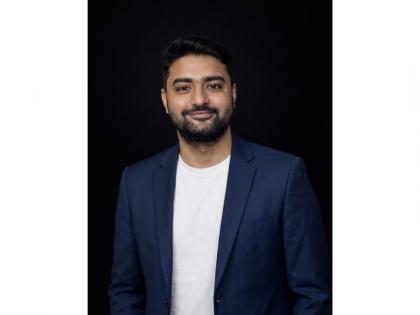
Hiren Joshi, Founder & CEO, Bee Online
In a digital economy flooded with metrics, dashboards, and automation tools, measuring real business impact has become more complex than ever. While many brands still celebrate impressions and clicks, a new wave of growth leaders is shifting the focus toward measurable revenue, sustainable scaling, and strategic clarity. At the forefront of this transformation is Bee Online Communication Pvt. Ltd., a digital-first growth agency known for building ROI-driven systems that align marketing with business outcomes.
In this exclusive conversation with Hiren Joshi, Founder & CEO,Bee Online shares his perspective on vanity metrics, AI-led disruption, SEO's evolution, and why brands that prioritize systems over campaigns will dominate the next decade.
1. You often emphasize ROI-driven marketing over vanity metrics. What are the biggest mistakes brands still make when measuring digital success today?
The biggest mistake brands make is confusing activity with impact. Metrics like impressions, likes, or traffic are easy to celebrate, but they rarely tell you whether the business is actually growing.
Many brands also measure channels in isolation instead of looking at the entire customer journey. Real success should be measured through outcomes like qualified leads, conversion rates, customer lifetime value, and profitability. Digital marketing should answer one question: Is this contributing to business growth? If not, it's just noise.
2. With AI rapidly transforming search, advertising, and content, how should businesses rethink their marketing strategies for the next 3–5 years?
AI is changing execution speed, but strategy will become even more important. Businesses need to shift from “content volume” to content intelligence—understanding user intent, credibility, and brand authority.
Over the next few years, winning brands will combine AI efficiency with human insight. Marketing strategies must become more integrated, data-led, and personalized. AI will automate tasks, but brands that build trust, clarity, and strong positioning will dominate.
3. Many companies struggle with rising ad costs but declining returns. What structural changes should brands make to build sustainable growth systems?
The biggest structural change is reducing dependency on paid ads alone. Ads are powerful but fragile—costs rise, algorithms change.
Brands need to invest in long-term assets like SEO, first-party data, conversion-optimized websites, and strong brand positioning. When organic discovery, retention, and brand trust work together, paid advertising becomes an accelerator instead of a dependency. Sustainable growth comes from building systems, not chasing campaigns.
4. You've worked with clients across India and international markets. What key differences do you observe in digital maturity across geographies?
International markets generally think longer-term and are more process-driven, while many Indian businesses still seek quick wins, though this is rapidly changing.
Global brands invest heavily in strategy, analytics, and positioning before execution. Indian brands are extremely agile and fast-moving, which is a strong advantage. The gap is closing, and today we see Indian businesses becoming far more data-driven and growth-focused.
5. There's a growing perception that SEO is becoming obsolete in the age of AI. Do you agree?
I strongly believe SEO is evolving, not disappearing. AI is changing how search results are delivered, but the need for trusted, authoritative information is actually increasing.
SEO today is less about keywords and more about entity authority, user experience, and helpful content. Brands that understand this evolution will benefit even more because AI systems pull information from sources they trust. In many ways, good SEO is becoming more powerful than before.
6. As a founder deeply involved in client strategy, how do you balance execution scale with personalization?
The balance comes from building strong systems without losing strategic oversight. At Bee Online, we scale through clear processes, technology, and specialized teams, but strategy and direction remain leadership-driven.
Clients don't just need execution—they need thinking. Leadership involvement ensures alignment with business goals while systems allow execution to scale efficiently. It's about combining structure with human understanding.
7. What are the most overlooked growth levers businesses ignore while chasing short-term performance results?
Three things are often ignored:
- Website conversion optimization: small UX changes can dramatically improve ROI.
- Brand positioning and messaging: without clarity, ads become expensive.
- Organic demand generation: SEO and thought leadership build long-term trust.
Many businesses try to fix growth problems by increasing ad spend, when the real issue lies in conversion and positioning.
8. Looking ahead, what major shifts will separate market leaders from brands that fail to adapt?
Three big shifts will define winners:
- AI-driven discovery reshaping how people find brands
- Trust and authority becoming stronger ranking factors than volume
- Integrated growth systems replacing channel-based marketing
Brands that think long-term, build strong digital assets, and adapt quickly to technology will lead. Those chasing short-term hacks will struggle to stay relevant.
As marketing enters an AI-accelerated era, the definition of success is shifting from visibility to value. Hiren Joshi's perspective reinforces a critical truth for modern brands: sustainable growth is not built on tactics but on systems, strategy, and measurable outcomes. In a landscape where algorithms evolve and competition intensifies, businesses that prioritize authority, data-driven decisions, and long-term thinking will emerge as market leaders. The future of digital marketing belongs not to the loudest brands—but to the smartest ones.
Disclaimer: This post has been auto-published from an agency feed without any modifications to the text and has not been reviewed by an editor
Open in app