
How Donald Trump's 25% Tariffs On Iran May Impact India
By Lokmat Times Desk | Updated: January 13, 2026 11:51 IST2026-01-13T11:50:46+5:302026-01-13T11:51:57+5:30


US President Donald Trump has once again created panic by announcing additional 25% tariffs on countries that continue trading ...
How Donald Trump's 25% Tariffs On Iran May Impact India
US President Donald Trump has once again created panic by announcing additional 25% tariffs on countries that continue trading with Iran amid economic crisis and anti-government protests, forcing to change in regime. Trump stated that the decision is effective immediately and is final. This move has raised concerns among nations with economic ties to Iran, including India.
India–Iran Trade
According to Commerce Ministry data, bilateral trade between India and Iran stood at around $1.68 billion in the financial year 2024–25. Of this, India’s exports were worth approximately $1.24 billion, while imports from Iran amounted to about $0.44 billion, resulting in a trade surplus of nearly $0.80 billion for India. However, this figure is significantly lower than in previous years. In 2018–19, India–Iran trade peaked at around $17 billion before declining sharply following US sanctions.
Import and Export Details
India mainly imports petroleum gas, petroleum coke, chemicals, dry fruits, apples and bitumen from Iran. India’s key exports to Iran include basmati rice, tea, sugar, bananas, medicines, pulses and meat products. Iran remains a major market for Indian basmati rice, with the livelihoods of thousands of farmers dependent on this trade.
Also Read | 25% US tariffs over trading with Iran: What it means for India.
Impact on India
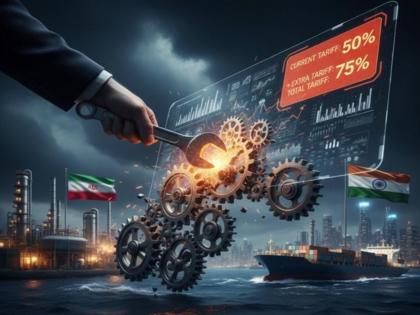
The additional tariff is expected to apply to countries that trade with Iran. As India is among Iran’s major trading partners, the move could impact Indian exports to the US, though Washington has not yet issued detailed clarifications. The US has already imposed a 50% tariff on certain Indian goods. If an additional 25% levy is applied due to trade links with Iran, the total tariff burden could rise to 75%.
Such a scenario would make Indian products more expensive in the US market, potentially reducing exports and increasing pressure on the economy. Companies may also seek to minimise risk, which could affect imports from Iran. However, much of India’s trade with Iran currently takes place through third countries due to existing sanctions, which may limit the immediate impact. India has also adopted alternative trade routes and mechanisms. While it may continue to source oil and other goods from Iran, costs are likely to rise.
Open in app