
Jobs in labour-heavy sectors seen as key to sustaining 8% GDP growth: NCAER Study
By ANI | Updated: December 12, 2025 13:55 IST2025-12-12T13:54:53+5:302025-12-12T13:55:03+5:30



New Delhi [India], December 12 : Strengthening employment opportunities in labour-intensive manufacturing and services sectors could help sustain India's ...
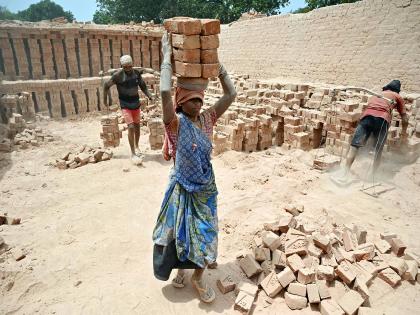
Jobs in labour-heavy sectors seen as key to sustaining 8% GDP growth: NCAER Study
New Delhi [India], December 12 : Strengthening employment opportunities in labour-intensive manufacturing and services sectors could help sustain India's GDP growth at around 8 per cent, according to a study by the National Council of Applied Economic Research (NCAER).
The study points to employment as a central pillar for maintaining growth while improving incomes. It says that while India's economy expands steadily, the pace and quality of job creation remain uneven, especially in sectors that employ large numbers of workers.
The report finds that recent increases in employment mainly come from a rise in self-employment, rather than from regular wage jobs or a rapid shift to skilled work. This trend, the report says, limits productivity gains and income growth.
The study highlights the role of skills, credit and technology in expanding employment. It says enterprises using digital technologies hire 78 per cent more workers than those that do not, and even a small increase in access to credit leads to a sharp rise in hiring. On the workforce side, the report says India benefits from upskilling, especially as new technologies and artificial intelligence reshape jobs.
It adds that medium-skilled jobs drive employment growth in services, while manufacturing remains largely low-skill intensive. According to the study, increasing the share of the skilled workforce through formal skilling can significantly boost jobs in labour-intensive sectors by 2030.
Launching the study, NCAER Vice Chairman Manish Sabharwal says, "India is on track to become the world's 3rd largest economy, and while its per capita GDP currently ranks 128th, this highlights valuable opportunities to prioritise employment and inclusive growth." The statement sets the context for the report's focus on jobs as a bridge between growth and development.
Professor Farzana Afridi underlines that self-employment in India is often driven by need, not choice. "India's self-employment dominance is due to economic necessity rather than entrepreneurial dynamism," she says, adding that most small enterprises operate at a subsistence level with low capital and limited use of technology. She notes that the country's employment future is closely linked to improving productivity in its smallest enterprises.
The report also estimates strong job multipliers in sectors such as textiles, garments, trade, hotels and related services, if output grows at a moderate pace. Discussing the findings, NCAER Senior Advisor Dr GC Manna says the study identifies key sectors with high employment potential, while Professor Aditya Bhattacharjea notes that it places India in a global context and shows areas for improvement.
Disclaimer: This post has been auto-published from an agency feed without any modifications to the text and has not been reviewed by an editor
Open in app