
S. Korea freezes price caps on fuel products for another 2 weeks
By IANS | Updated: April 23, 2026 16:15 IST2026-04-23T16:13:04+5:302026-04-23T16:15:24+5:30



Seoul, April 23 The government here said on Thursday it will maintain the current price ceilings on fuel ...
S. Korea freezes price caps on fuel products for another 2 weeks
Seoul, April 23 The government here said on Thursday it will maintain the current price ceilings on fuel products for another two weeks considering international oil prices and demand-side controls.
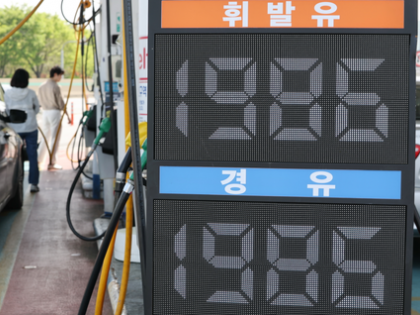
Maximum prices for regular gasoline, diesel and kerosene supplied to gas stations by local oil refineries will remain unchanged at 1,934 won (US$1.3), 1,923 won and 1,530 won per litre, respectively, for the next two weeks, according to the Ministry of Trade, Industry and Resources.
It marks the second consecutive time the government froze price ceilings at the current level. The government sets maximum prices for fuel products every two weeks under the price cap system introduced in mid-March to stabilize domestic fuel prices.
The government decided to implement price caps in light of lingering volatility in the global energy market due to the fragile ceasefire between the United States and Iran, as well as the need to manage domestic demand for fuel products, despite a recent fall in international fuel prices, the ministry explained.
Over the past two weeks, global gasoline prices fell by around 8 percent, diesel prices by 14 percent and kerosene prices by 2 percent, according to the ministry.
Regarding the prime minister's remarks the previous day that the government will decide whether to keep the price cap system after a careful review, Nam Kyung-mo, policy advisor to the industry minister, said the government is currently not considering terminating the measure as there are uncertainties surrounding the Middle East situation and fuel prices are still high compared with pre-war levels.
Nam reaffirmed the government's plan to provide fiscal compensation for losses the oil refineries suffer due to the price ceiling system.
Had the government not implemented the system, the prices of gasoline, diesel and kerosene oil refineries sell to gas stations would have been around 2,200 won, 2,800 won and 2,500 won, respectively, according to Nam.
On the supply of industrial materials, the ministry said the government is continuing efforts to prevent supply disruptions of materials essential for the medical sector, noting that sufficient supplies of IV solution packaging materials, syringes and medical gloves have been secured.
No disruption is being witnessed with supplies of key industrial materials for the semiconductor, automobile, shipbuilding and other advanced industries as South Korea is importing alternative helium, hydrogen bromide and other materials, it added.
Disclaimer: This post has been auto-published from an agency feed without any modifications to the text and has not been reviewed by an editor
Open in app