
Tax, export and energy reforms remain Pakistan’s weak spots: Report
By IANS | Updated: May 13, 2026 16:10 IST2026-05-13T16:06:40+5:302026-05-13T16:10:20+5:30



New Delhi, May 13 Taxation, exports and energy reforms continue to remain Pakistan’s weakest economic areas due to ...
Tax, export and energy reforms remain Pakistan’s weak spots: Report
New Delhi, May 13 Taxation, exports and energy reforms continue to remain Pakistan’s weakest economic areas due to poor implementation, policy inconsistency and entrenched institutional constraints, a report has said.
The report published in Business Recorder showed that Pakistan have repeatedly failed to implement reforms in a sustained and consistent manner, resulting in low growth, weak exports and continued dependence on external financing support.
The country’s export sector reflects the broader reform challenge, it said.
Over the years, authorities introduced multiple trade policy frameworks, exporter incentives and institutional reforms such as the Pakistan Single Window (PSW) and WeBOC systems.
Despite these measures, exports have shown only temporary gains and failed to achieve sustained growth, while competing economies continued diversifying exports and moving up the global value chain.
The report also pointed to weaknesses in Pakistan’s taxation system.
According to the report, tax authorities have failed to effectively broaden the tax base or bring sectors such as retail, real estate, services and agriculture fully into the formal tax network.
It further identified the energy sector as another major concern, citing continued reliance on subsidies and repeated delays in fuel price adjustments because of political sensitivities.
These delays have contributed to the build-up of circular debt and recurring fiscal imbalances, according to the report.
Pakistan’s reform failures are rooted in a system that favours administrative discretion, exemptions and short-term political considerations over rules-based governance and long-term policy continuity.
The report warned that while ordinary citizens bear the burden of economic adjustment through higher taxes and reduced subsidies, deeper structural distortions often remain unaddressed.
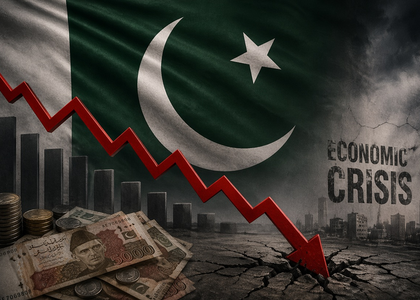
It added that unless Pakistan addresses these institutional barriers and builds broader support for consistent reforms, the country may continue facing recurring economic crises, weak growth and external financing pressures.
Disclaimer: This post has been auto-published from an agency feed without any modifications to the text and has not been reviewed by an editor
Open in app