
Is Hantavirus the Next COVID? What We Know About the MV Hondius Outbreak So Far
By Lokmat Times Desk | Updated: May 8, 2026 15:31 IST2026-05-08T15:24:55+5:302026-05-08T15:31:32+5:30



A suspected hantavirus outbreak aboard the cruise ship MV Hondius has triggered global concern after reports linked the incident ...
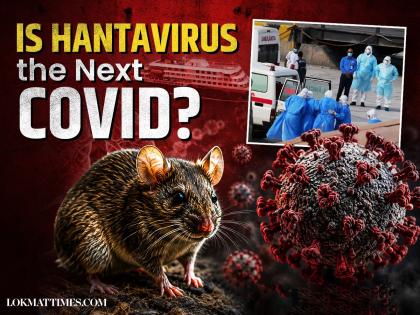
Is Hantavirus the Next COVID? What We Know About the MV Hondius Outbreak So Far
A suspected hantavirus outbreak aboard the cruise ship MV Hondius has triggered global concern after reports linked the incident to three deaths and multiple infections among passengers and crew members. The health scare has gained widespread attention because the vessel reportedly carried travellers from 23 countries, including Indian crew members. As the ship heads toward Tenerife, authorities are tracing contacts, screening passengers, and monitoring those who may have been exposed. While fears of another pandemic have surfaced online, health experts say the situation is very different from COVID-19 and should be understood carefully before panic spreads further.
According to international health reports, two Indian crew members remain onboard the vessel, though their medical condition has not been officially disclosed. Passengers who developed symptoms have reportedly been shifted for treatment and observation. The outbreak has raised concern because of the multinational nature of the voyage and the possibility of exposure among passengers from different countries. Officials are now examining travel histories, identifying close contacts, and determining who may require quarantine or additional medical supervision. The incident has therefore become more than just a cruise ship emergency, drawing attention from several countries, including India.
Hantavirus is a rodent-borne infection that spreads mainly through contact with contaminated urine, saliva, or droppings of infected rats and mice. People usually become infected after breathing in contaminated dust particles, especially in enclosed areas where rodents have been present. In some cases, touching infected surfaces or coming into direct contact with rodents may also spread the virus. Health experts explain that hantavirus is not transmitted in the same way as common respiratory viruses, which is why outbreaks are generally limited and linked to specific exposure sources rather than widespread community transmission.
Also Read: What Is Hantavirus? Symptoms, Causes, Treatment and Prevention
Medical experts classify hantavirus into two major categories. The “Old World” hantavirus, commonly found in Europe and Asia, is associated with haemorrhagic fever with renal syndrome, a disease that mainly affects the kidneys. The “New World” variant, largely found in the Americas, is linked to hantavirus pulmonary syndrome, a severe respiratory illness that attacks the lungs and breathing system. Doctors say the pulmonary form can become life-threatening within a short period, which is one reason the current outbreak has attracted significant international attention and sparked comparisons with earlier global health emergencies.
Symptoms of hantavirus infection often begin with flu-like signs, making early detection difficult. Patients may initially experience fever, chills, headache, fatigue, muscle pain, weakness, nausea, vomiting, stomach discomfort, or dizziness. However, health professionals warn that the illness can rapidly worsen after a few days. Severe coughing, breathing difficulty, and fluid buildup in the lungs may follow, requiring urgent hospital treatment and intensive care. Experts say this sudden deterioration is the most dangerous aspect of the infection, as patients can move from mild symptoms to critical condition within a short time.
Doctors say there is currently no specific antiviral cure for hantavirus infection, but supportive medical treatment can improve survival chances. Patients with severe symptoms are often treated with oxygen support, intravenous fluids, ventilators, blood-pressure stabilisation, and intensive monitoring. In some serious cases, dialysis may also be required if kidney complications develop. Medical experts emphasise that the absence of a direct cure does not mean treatment is impossible. Instead, healthcare teams focus on stabilising patients and supporting vital organs while the body’s immune system attempts to fight the infection naturally.
The MV Hondius outbreak became a major international story because it reportedly involved deaths at sea and multiple suspected infections among travellers from several countries. Health agencies said the outbreak may have connections to travel routes involving Argentina, Chile, and Uruguay, regions where rodent hosts linked to hantavirus are known to exist. Investigators believe the virus likely originated through environmental exposure connected to infected rodent habitats rather than from casual transmission between passengers. Authorities are now conducting detailed investigations to understand how the exposure occurred before the ship continued its journey.
One major concern for health authorities is the suspected involvement of the Andes strain of hantavirus, which is considered unusual compared to other variants. Most hantaviruses do not spread from person to person, but studies have shown that the Andes strain can occasionally transmit through prolonged close contact. Because of this possibility, public health teams are tracing seating arrangements, caregiving interactions, and prolonged passenger contact onboard the ship. Experts say such cases remain extremely rare, but additional caution is necessary to prevent further infections among those who may have had close exposure to infected individuals.
Despite comparisons on social media, global health agencies have clarified that hantavirus is not expected to become another COVID-19-style pandemic. Experts note that COVID spread rapidly through general community transmission, whereas hantavirus infections are usually tied to rodent exposure and only rarely involve human-to-human spread. The current outbreak has gained international attention mainly because it occurred aboard a cruise ship involving passengers from different countries. While authorities continue monitoring the situation carefully, the overall risk to the wider public remains low according to health agencies tracking the outbreak.
Health organisations have reported hantavirus cases across different regions in recent years, showing that the disease is not entirely new. Reports from the Americas recorded hundreds of infections and several deaths during 2025, while Europe also documented significant case numbers in recent years. Earlier in 2026, Taiwan reported a hantavirus-related death, indicating that isolated cases continue to appear worldwide. Experts say the virus remains a serious health concern in areas with heavy rodent exposure, but current evidence does not suggest uncontrolled global transmission similar to past pandemic situations.
Authorities are expected to continue monitoring passengers and crew members even after the ship reaches Tenerife. Officials say hantavirus can have a long incubation period, meaning symptoms may appear days or weeks after exposure. Passengers who remain symptom-free may eventually be allowed to return to their home countries, while those considered high-risk could face additional observation or quarantine measures. Health agencies are closely watching developments because the coming weeks will determine whether the outbreak remains limited or leads to additional confirmed cases linked to exposure onboard the vessel.
Medical experts summarised that hantavirus remains a serious rodent-borne disease capable of causing severe kidney or lung complications depending on the strain involved. The current outbreak has attracted international concern due to the deaths reported aboard the cruise ship, the involvement of Indian crew members, and the suspected presence of a rare strain capable of limited human transmission. However, experts stress that hantavirus is not the next COVID-19 pandemic. Instead, they describe it as a dangerous but comparatively contained infection that is being closely monitored because of the unusual circumstances surrounding the outbreak at sea.
