
Rising AQI Levels Trigger Health Concerns: Effective Ways to Stay Safe This Winter
By Lokmat Times Desk | Updated: December 17, 2025 18:55 IST2025-12-17T18:54:40+5:302025-12-17T18:55:39+5:30



Winter may feel comforting with its cool breeze, but it significantly worsens air pollution–related health concerns across India. During ...
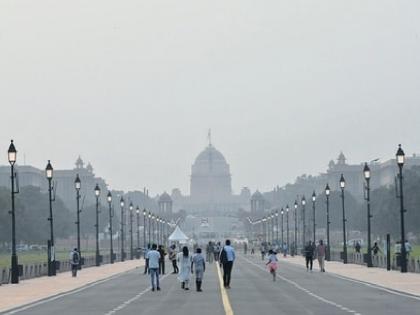
Rising AQI Levels Trigger Health Concerns: Effective Ways to Stay Safe This Winter
Winter may feel comforting with its cool breeze, but it significantly worsens air pollution–related health concerns across India. During December, low temperatures trap harmful pollutants closer to the ground, leading to a sharp rise in breathing difficulties and heart-related ailments. Prolonged exposure to polluted air weakens immunity and increases vulnerability to seasonal illnesses. Ayurveda explains that winter pollution disturbs the body’s natural balance, making people more prone to infections and chronic conditions. However, by following simple preventive steps rooted in traditional wellness practices, individuals can reduce health risks and protect themselves from the effects of poor air quality.
Respiratory Problems Intensify in Winter
Respiratory illnesses are the most visible impact of worsening air quality during winter months. Cold air combined with suspended pollutants aggravates conditions such as asthma, bronchitis, chronic cough, flu and pneumonia. People already suffering from lung-related diseases experience frequent flare-ups, breathlessness and slower recovery. Children and elderly individuals are especially vulnerable. Continuous inhalation of toxic particles inflames the airways, reduces lung efficiency and increases hospital visits. Early care and preventive measures are essential to avoid serious complications caused by prolonged exposure to polluted winter air.
Heart Health Faces Higher Risk
Air pollution during winter also takes a serious toll on cardiovascular health. Fine particulate matter enters the bloodstream through the lungs, triggering inflammation and increasing strain on the heart. This raises the likelihood of heart attacks, irregular heart rhythms and strokes, particularly among those with existing heart conditions or high blood pressure. Cold weather further narrows blood vessels, worsening circulation problems. Even otherwise healthy individuals may experience fatigue, chest discomfort or reduced stamina. Protecting heart health becomes critical when AQI levels remain high for extended periods.
Ayurveda’s Approach to Managing Pollution Effects
Ayurveda considers winter pollution-related illnesses as an imbalance of Vata and Kapha doshas and focuses on restoring harmony through natural care. Practices such as Nasya therapy help protect nasal passages from pollutants, while steam inhalation with Tulsi or eucalyptus oil supports clear breathing. Strengthening immunity through natural supplements and daily routines helps the body fight inflammation. These simple Ayurvedic methods aim to prevent toxins from accumulating in the body, improve respiratory strength and reduce the long-term impact of polluted air.
Diet and Lifestyle Changes for Better Protection
A warm, nourishing diet plays an important role in reducing pollution-related health problems during winter. Herbal drinks like ginger tea and turmeric milk support digestion and lung health, while seasonal fruits and vegetables provide essential nutrients. Jaggery helps clear mucus and supports breathing. Alongside diet, lifestyle habits such as maintaining hygiene, wearing masks outdoors, ensuring proper sleep and keeping indoor spaces clean significantly reduce exposure to pollutants. These consistent changes help strengthen immunity and protect overall health throughout the winter season.
Open in app