
Viral, Bacterial or Lifestyle Diseases? Know the Key Differences and Why It Matters
By Lokmat Times Desk | Updated: December 30, 2025 18:33 IST2025-12-30T18:33:45+5:302025-12-30T18:33:45+5:30



Understanding the difference between viral, bacterial, and lifestyle diseases is essential for making informed health decisions and avoiding unnecessary ...
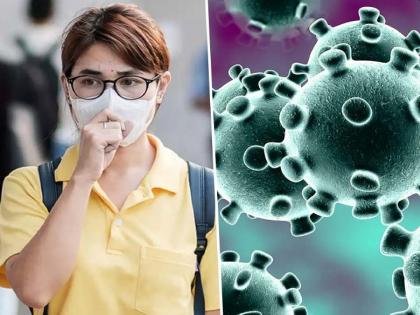
Viral, Bacterial or Lifestyle Diseases? Know the Key Differences and Why It Matters
Understanding the difference between viral, bacterial, and lifestyle diseases is essential for making informed health decisions and avoiding unnecessary panic or misuse of medicines. Each type of disease has a distinct cause, method of spread, and approach to treatment. While some illnesses spread rapidly from person to person, others develop silently over years due to daily habits. Knowing how these conditions differ helps people seek timely medical care, follow the right preventive measures, and adopt healthier routines. Awareness also plays a key role in reducing complications, improving recovery, and supporting overall public health.
Also Read: Desk Job Health Hazards: Simple Daily Fixes to Protect Your Body and Mind
Viral Diseases: Caused by Viruses and Often Self-Limiting
Viral diseases occur when viruses invade healthy cells and use them to multiply. Common viral infections include the common cold, flu, COVID-19, dengue, and measles. These illnesses usually spread through air droplets, contaminated surfaces, or close personal contact. Antibiotics are ineffective against viral infections, and treatment mainly focuses on relieving symptoms through rest, fluids, and supportive care. In some cases, antiviral medicines may be prescribed. Vaccination is one of the most effective ways to prevent severe viral diseases and reduce community transmission.
Bacterial and Lifestyle Diseases: Infections vs Long-Term Habits
Bacterial diseases are caused by bacteria and include conditions such as tuberculosis, typhoid, urinary tract infections, and bacterial pneumonia. These infections can often be cured with the correct use of antibiotics, making early diagnosis crucial. Lifestyle diseases, however, are non-communicable and result from long-term unhealthy habits. Diabetes, heart disease, obesity, and hypertension develop due to poor diet, inactivity, stress, and smoking. Unlike infections, lifestyle diseases require sustained changes in daily habits and regular monitoring to manage and prevent complications.
Disclaimer: This article is for general informational purposes only and should not be considered medical advice. Always consult a qualified healthcare professional for diagnosis, treatment, or health-related concerns.
Open in app